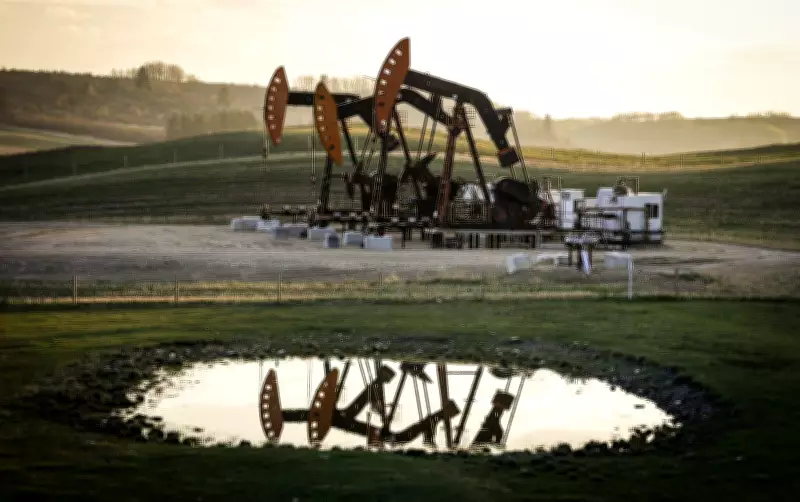
Oil Industry Maintains Cautious Stance Despite Crude Price Surge
Despite a notable surge in global crude oil prices, Canada's oil and gas sector, often referred to as the oilpatch, is opting for a restrained approach, holding off on significant investment changes. Industry leaders cite ongoing market volatility, regulatory uncertainties, and long-term strategic planning as key factors driving this cautious stance.
Market Volatility and Regulatory Pressures
The recent spike in crude prices, driven by geopolitical tensions and supply constraints, has not translated into a wave of new capital expenditures or expansion projects. Executives emphasize that while higher prices improve cash flow, they are wary of committing to large-scale investments amid fluctuating market conditions. Regulatory pressures, including environmental policies and climate change initiatives, add another layer of complexity, prompting companies to prioritize stability over aggressive growth.
Strategic Focus on Efficiency and Sustainability
Instead of ramping up production, many firms are channeling resources into operational efficiency and sustainability measures. This includes upgrading existing infrastructure, reducing emissions, and investing in technologies that enhance extraction processes. The goal is to bolster resilience against future price swings while aligning with evolving environmental standards.

Industry analysts note that this conservative approach reflects lessons learned from past booms and busts, where rapid expansion led to financial strain when prices eventually declined. By maintaining discipline, the oilpatch aims to ensure long-term viability in an increasingly unpredictable energy landscape.
Regional Impact and Future Outlook
In provinces like Alberta, where the oil industry is a major economic driver, the hesitation to increase investment could have ripple effects on local economies and employment. However, stakeholders remain optimistic that a measured strategy will pay off in the long run, fostering a more sustainable and adaptable sector.
As crude prices continue to fluctuate, the oilpatch's decision to hold steady underscores a broader trend of prudence in the face of uncertainty, with companies balancing short-term gains against long-term strategic goals.