Oil Prices Climb to Highest Levels Since August as Iran Tensions Intensify
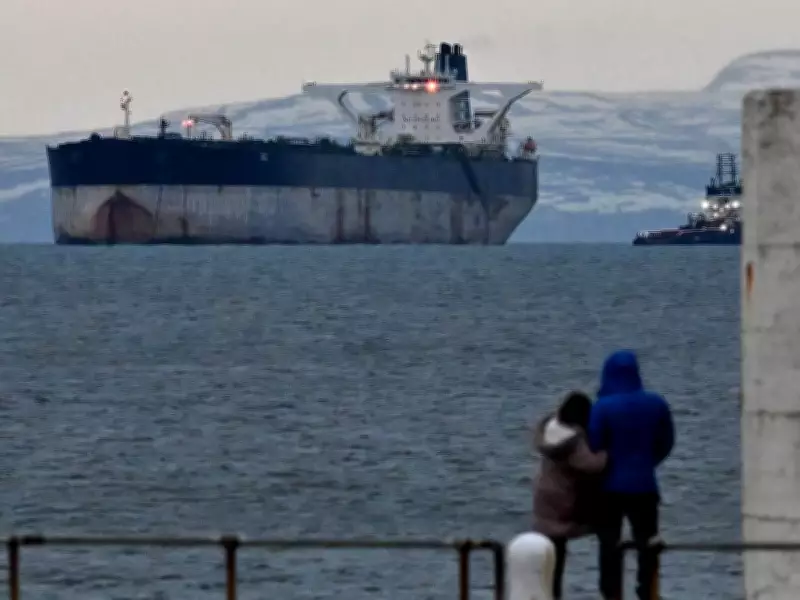
Oil prices have surged to their highest intraday levels since August, driven by mounting concerns that the United States and Iran are moving closer to a renewed military conflict. West Texas Intermediate (WTI) crude rose near $67 per barrel on Thursday, following a significant 4.6% increase on Wednesday. Meanwhile, Brent crude traded around $71 per barrel, reflecting heightened anxiety in global energy markets.
Geopolitical Tensions Fuel Market Volatility
The price spike comes amid reports from Axios indicating that a major U.S. military operation in the Middle East could be imminent. According to the publication, Israel's government is advocating for a scenario targeting regime change in Iran, adding to the geopolitical pressure. This development has created substantial uncertainty about oil supplies from a region responsible for approximately one-third of global production.
Analysts at RBC Capital Markets, including Helima Croft, noted in a research report that "the failure to resolve core areas of contention continues to tip the scales in favor of another military confrontation." They pointed to the "massive buildup of U.S. military assets in the region" and recent Iranian naval exercises in the strategically vital Strait of Hormuz as indicators that "the launch sequence for a second military conflict has commenced."

Diplomatic Efforts Face Mounting Pressure
The United Nations nuclear watchdog has warned that Iran's window for reaching a diplomatic agreement over its atomic activities is rapidly closing due to the U.S. military buildup. The International Atomic Energy Agency has reportedly discussed concrete proposals with Iran to inspect sites bombed last year by Israel and the United States, though progress remains uncertain.
U.S. President Donald Trump addressed the situation at the Board of Peace meeting in Washington, stating that the U.S. must "make a meaningful deal" with Iran and emphasizing that the next ten days would be crucial for determining whether an agreement can be reached. Following these remarks, oil prices briefly pared some gains, though they remained elevated.
Market Dynamics and Supply Concerns
The increased geopolitical risk premium is clearly visible in oil options markets, where bullish call options have been trading at substantial premiums to puts throughout much of this year. Traders are actively protecting against potential price spikes, with the equivalent of 10 million barrels of Brent June $100 calls changing hands on Wednesday alone.
Adding to the bullish momentum, U.S. crude stockpiles fell by 9 million barrels according to Energy Information Administration data—the largest decline since early September. Oil product inventories also decreased across the board, further tightening supply conditions.
Political and Economic Implications
A potential conflict between the U.S. and Iran would significantly jeopardize oil flows from the Middle East, potentially causing substantial disruption to global energy markets. However, President Trump faces political risks as well, with midterm elections approaching this year. A sharp increase in crude prices that translates to higher gasoline costs at the pump could anger voters and impact electoral outcomes.
Recent diplomatic efforts have yielded limited progress, with Tehran claiming it reached a "general agreement" with Washington on potential nuclear deal terms, while U.S. officials indicated Iranian negotiators would return to Geneva with a new proposal within two weeks. Concurrently, the U.S. announced visa restrictions on Iranian officials and executives in response to Tehran's recent crackdown on protests.
The oil market remains highly sensitive to developments in U.S.-Iran relations, with traders closely monitoring both military movements and diplomatic negotiations that could dramatically impact global energy supplies and prices in the coming weeks.