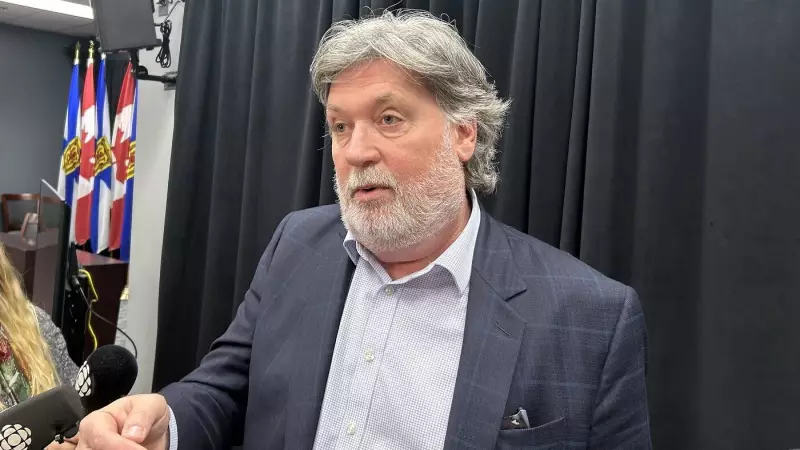
Nova Scotia's primary electrical utility is facing significant political backlash after announcing its intention to increase residential electricity rates. Premier Tim Houston has publicly criticized the move, stating the utility appears disconnected from the financial realities facing the province's residents.
Utility Requests Increase Amidst Public Scrutiny
The request for a rate adjustment was formally submitted by Nova Scotia Power, the province's privately-owned electric utility. The company, led by President and CEO Peter Gregg, argues the increase is necessary to cover rising operational costs and investments in grid infrastructure. Specific details regarding the proposed percentage increase or the exact timeline were part of the initial filing.
This request comes at a time when many Nova Scotians are already grappling with a high cost of living, making any additional utility burden a sensitive political issue. The utility's last major rate increase remains a fresh memory for many customers, setting the stage for contentious regulatory hearings.

Premier's Strong Rebuke of Proposed Hike
In a forceful response, Premier Tim Houston did not mince words regarding Nova Scotia Power's proposal. He characterized the utility as being "out of touch" with the everyday challenges of Nova Scotians. The Premier's office emphasized that the government would be closely monitoring the application process before the Nova Scotia Utility and Review Board (NSUARB), which must approve any rate changes.
Houston's criticism underscores a growing tension between the provincial government, which sets broad energy policy, and the regulated private monopoly responsible for electricity delivery. The Premier has previously advocated for more affordable and reliable power as a cornerstone of the province's economic future.
What Comes Next for Ratepayers?
The proposal will now enter a formal regulatory review process. The NSUARB will examine the utility's justification for the hike, which typically includes:
- Capital investment plans for infrastructure and renewable energy.
- Projected increases in fuel costs for generation.
- General operational and maintenance expenses.
Public intervenors, including consumer advocacy groups and the provincial government's own representatives, will have the opportunity to challenge the utility's evidence and arguments. The final decision rests with the independent regulatory board, which will determine if the increase is justified and, if so, what the final approved amount will be.
For now, Nova Scotia residents are left awaiting the outcome of this process, caught between a utility seeking higher revenues and a premier promising to fight for affordability. The debate highlights the ongoing struggle to balance necessary infrastructure investment with the immediate financial pressures on households across the province.