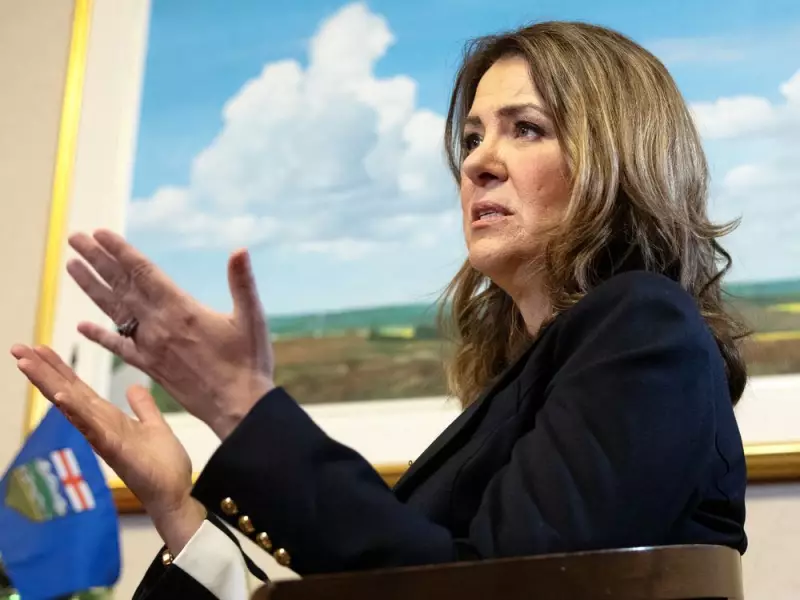
Alberta Premier Danielle Smith has unveiled a significant proposal for a new oil pipeline to the northern British Columbia coast, revealing that Indigenous groups could hold up to 50 per cent ownership in the project. The announcement, made during an event in Calgary, highlights a potential shift in how major energy infrastructure is developed and owned in Canada.
Project Details and Financial Scope
Smith provided key figures for the ambitious pipeline plan. The proposed conduit would have the capacity to transport 1 million barrels of oil per day from Alberta to the coast. The Premier speculated that the construction cost could reach approximately $20 billion, with the operational pipeline potentially generating a substantial $2 billion in annual revenue.
"Can you imagine the impact that would have on those communities in British Columbia and in Alberta? It’s extraordinary," Smith stated, emphasizing the projected economic benefits for involved communities. Her government has committed to releasing the technical work on the potential pipeline by July 1.

Political Support and Opposition
The project has already garnered high-level political backing. Prime Minister Mark Carney indicated support through a memorandum of understanding signed with Premier Smith on Thursday, November 27, 2025. This agreement signals a collaborative federal-provincial approach to advancing the infrastructure plan.
However, the proposal faces immediate and firm opposition from British Columbia's leadership. Premier David Eby has criticized the plan, stating that relaxing the existing ban on oil tankers off northern B.C.'s coast would be a "grave mistake," citing environmental risks. This sets the stage for continued interprovincial tension over energy corridor development.
Indigenous Ownership and Environmental Concerns
The push for significant Indigenous equity represents a growing trend in Canada's energy sector. Some Indigenous communities have embraced ownership stakes in oil and gas projects, often facilitated by government programs from Canada and Alberta that offer financial assistance like loan guarantees.
Despite this, the concept of a new oil pipeline remains contentious. Many coastal First Nations in northern British Columbia have historically rejected such projects, primarily due to concerns over environmental risk to land and waterways. The debate underscores the complex balance between economic opportunity through resource development and the imperative of environmental stewardship.
The proposal, as outlined by Premier Smith, presents a transformative vision for a major pipeline with unprecedented Indigenous partnership. Its future will depend on technical feasibility studies, navigating political and environmental opposition, and securing the commitment of the Indigenous communities whose ownership is central to the plan.