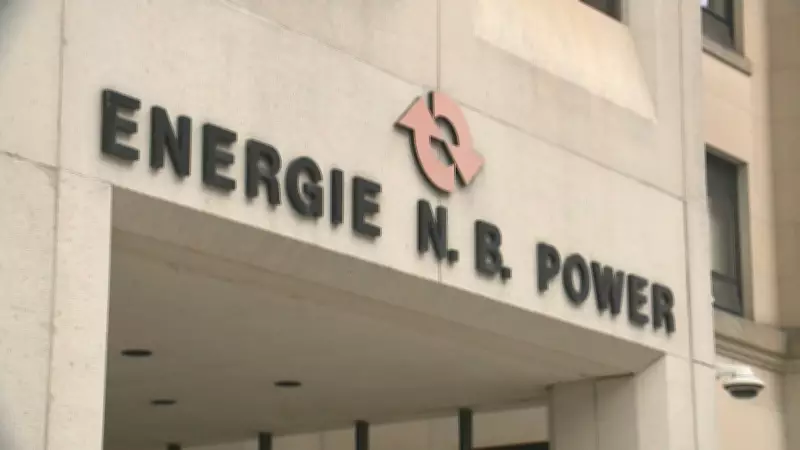
Utility Regulator Rejects Proposed Electricity Rate Increase
New Brunswick's primary electricity provider, NB Power, has faced a significant setback in its efforts to implement higher rates for consumers. The provincial utility regulator has formally denied the company's request for a nearly five percent rate hike that was scheduled to take effect on April 1, 2026. This decision represents a notable development in the ongoing balance between utility financial requirements and consumer affordability concerns within the province.
Regulatory Decision and Economic Context
The regulatory body's rejection comes amid broader economic considerations affecting both households and businesses across New Brunswick. NB Power had submitted the rate increase proposal as part of its regular tariff adjustment process, citing operational costs, infrastructure investments, and market conditions as primary justifications. However, regulators determined that the timing and magnitude of the proposed increase required further review and justification.
The denial means that existing electricity rates will remain in effect beyond the originally proposed implementation date, providing temporary relief to consumers who would have faced higher monthly bills. This decision follows extensive analysis of the utility's financial position, projected revenue requirements, and the potential impact on ratepayers across different consumer segments.

Implications for Consumers and Future Considerations
For residential and commercial electricity users throughout New Brunswick, the regulatory decision translates to maintained current pricing structures for the immediate future. The delay in implementing new rates allows additional time for both the utility and regulators to evaluate alternative approaches to addressing NB Power's financial needs while minimizing consumer burden.
The utility now faces the challenge of reassessing its revenue strategy and potentially submitting a revised proposal that addresses regulatory concerns. Key factors likely to influence future rate decisions include:
- Operational efficiency improvements within the utility
- Infrastructure maintenance and modernization requirements
- Fuel cost projections and procurement strategies
- Long-term sustainability of the current rate structure
- Economic conditions affecting consumer affordability
This development occurs within a broader national context of utility rate discussions, where regulators increasingly balance utility financial health against consumer protection priorities. The New Brunswick case highlights the complex interplay between energy infrastructure needs, economic realities, and regulatory oversight in determining appropriate pricing for essential services.