Middle East Conflict Fuels Gas Price Surge, Ottawa Drivers Face Rising Costs
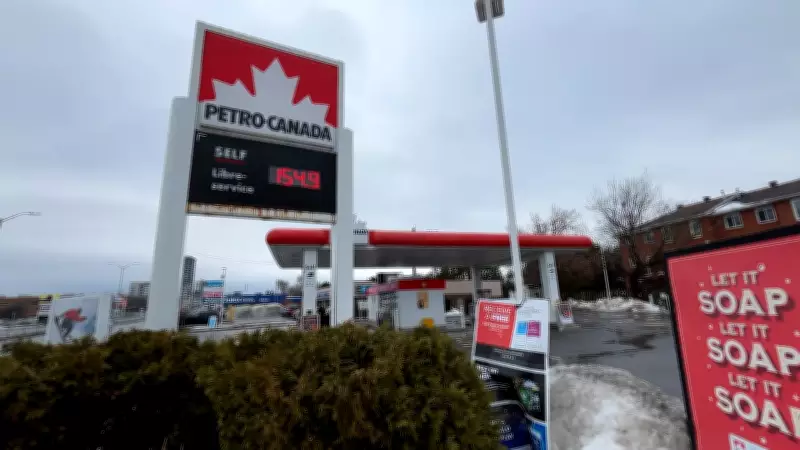
The ongoing war in the Middle East is sending gasoline prices soaring across Canada, with drivers in Ottawa feeling the direct impact at the pumps. Analysts are bracing for further increases as the conflict shows no signs of abating, creating a challenging economic environment for consumers and businesses alike.
Escalating Fuel Costs Hit Home
As tensions in the Middle East intensify, global oil markets have reacted with volatility, leading to a steady climb in fuel prices. Ottawa drivers are now confronting higher costs for their daily commutes and transportation needs. This surge is not isolated to the capital; similar trends are being observed nationwide, reflecting the interconnected nature of global energy markets.
The ripple effects of the conflict are profound, with supply chain disruptions and geopolitical uncertainties driving up crude oil prices. This, in turn, translates into more expensive gasoline for Canadian consumers. Experts note that the situation could worsen if the war prolongs, potentially straining household budgets and affecting broader economic stability.

Analysts Predict Further Increases
Industry analysts are closely monitoring the situation, warning that gas prices may continue to rise in the coming weeks. Factors such as production cuts, export restrictions, and heightened demand during peak travel seasons could exacerbate the upward trend. For Ottawa residents, this means preparing for sustained financial pressure at the fuel pump.
The uncertainty surrounding the conflict adds a layer of complexity to price forecasts, making it difficult to predict when relief might arrive. Some economists suggest that diversifying energy sources and investing in renewable alternatives could mitigate future shocks, but for now, drivers are left to navigate the immediate challenges.
Broader Implications for Canada
Beyond individual drivers, the rising gas prices have broader implications for Canada's economy. Transportation costs are a key component of goods and services, meaning that higher fuel prices can lead to increased inflation. This could affect everything from grocery bills to manufacturing expenses, potentially slowing economic growth.
In response, some policymakers are calling for strategic measures to cushion the impact, such as temporary tax relief or subsidies for essential services. However, with the conflict's outcome uncertain, finding effective solutions remains a pressing concern for government and industry leaders.
As Ottawa drivers adjust to the new reality of elevated gas prices, the hope is for a swift resolution to the Middle East conflict. Until then, vigilance and adaptation will be essential in managing the financial strain on households and the economy at large.