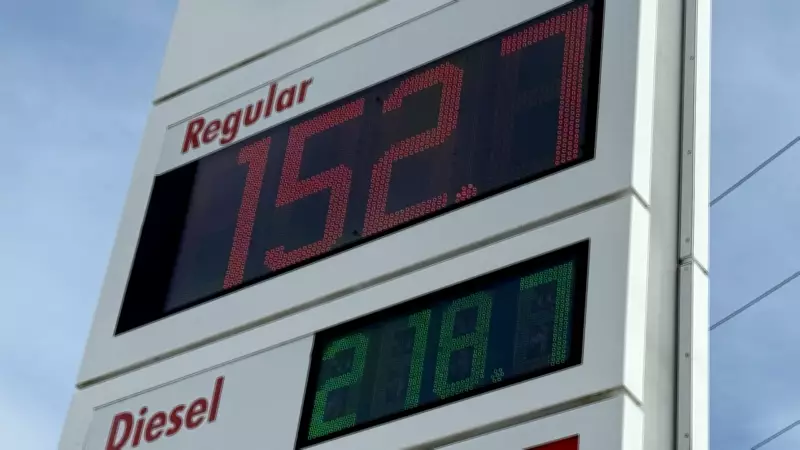
Maritime Diesel Prices Experience Sharp Double-Digit Increase
Residents and businesses across the Maritime provinces faced a significant financial hit on Saturday, March 7, 2026, as diesel fuel prices surged by a double-digit percentage in a single day. This abrupt spike represents the third notable increase in fuel costs within just one week, compounding economic pressures in the region.
Immediate Impact on Consumers and Industry
The price hike, which also affected gasoline rates, was captured in Halifax where photographs documented the updated figures at local stations. For industries reliant on diesel, such as transportation, shipping, and agriculture, this sudden increase translates directly into higher operational expenses. Consumers fueling personal vehicles also felt the pinch, with gasoline costs climbing concurrently.
This trend aligns with broader market fluctuations, as seen in other parts of Canada like Saskatchewan, where fuel prices have been volatile. The Maritime increase, however, stands out due to its magnitude and timing, occurring over a weekend when many were preparing for travel or work.

Context of Regional and Global Factors
While the article does not specify exact causes, such surges often correlate with global events affecting oil markets. For instance, ongoing conflicts, like the war in Iran mentioned in related news, can disrupt supply chains and drive up crude oil prices, subsequently impacting refined products like diesel and gasoline.
Local factors may also contribute, including refinery outputs, transportation logistics, and regional demand spikes. The cumulative effect of three increases in one week suggests a sustained upward pressure on fuel costs, potentially straining household budgets and business margins in the Maritimes.
Broader Implications for the Economy
Rising fuel prices typically lead to increased costs for goods and services, as transportation expenses are passed down the supply chain. This can fuel inflation and reduce disposable income for residents. In an era marked by economic uncertainty, such hikes underscore the vulnerability of regions dependent on fossil fuels.
As markets continue to fluctuate, stakeholders are advised to monitor price trends closely. The situation highlights the need for diversified energy strategies and contingency planning to mitigate future shocks in the volatile fuel sector.