

Mali's Government Enacts Fuel Rationing Amid Supply Crisis
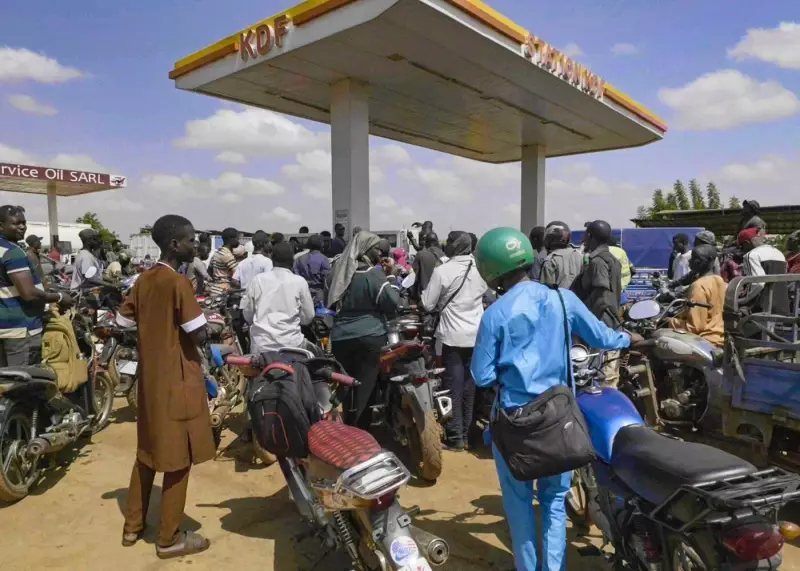
In a decisive response to escalating security threats, the government of Mali has officially moved to impose fuel rationing across the nation. This critical measure comes as a direct consequence of a sustained campaign of attacks by militants affiliated with al-Qaida, which have successfully severed vital supply lines. The disruption has precipitated acute fuel shortages, particularly in urban centers like the capital, Bamako, where citizens have been forced to endure long queues at gas stations.
Security Threats Paralyze Critical Infrastructure
The al-Qaida-linked insurgents have targeted key transportation corridors and infrastructure, effectively cutting off the flow of essential commodities, including gasoline and diesel. These attacks are part of a broader pattern of instability that has plagued the Sahel region for years. The militants' strategy aims to undermine state authority and cripple economic activity by disrupting the logistical networks that sustain daily life and commerce.
Government officials have acknowledged the severity of the situation, stating that the rationing is a necessary, albeit temporary, step to manage the dwindling reserves and ensure a more equitable distribution of available fuel. The policy is expected to affect both private consumers and commercial entities, with specific allocation guidelines being developed to prioritize emergency services and critical public functions.

Impact on Daily Life and Economic Stability
The fuel shortages have already manifested in tangible hardships for Malians. Images from Bamako in late 2025 showed long lines of motorcycles and vehicles waiting at gas stations, a stark illustration of the crisis. This scarcity not only inconveniences individuals but also threatens to stifle economic productivity, increase transportation costs, and exacerbate inflationary pressures in a country already facing significant challenges.
The imposition of rationing underscores the profound impact that non-state armed groups can have on national security and economic resilience. It highlights the interconnectedness of security, energy access, and governance in conflict-affected states. Analysts suggest that without a significant improvement in the security situation, which would allow for the reopening and securing of supply routes, the rationing measures may remain in place for an extended period.
This development places additional strain on a population grappling with the multifaceted consequences of prolonged insecurity, including displacement and food insecurity. The government's ability to effectively implement and communicate the rationing plan will be crucial in maintaining public order and mitigating social unrest during this period of scarcity.






