

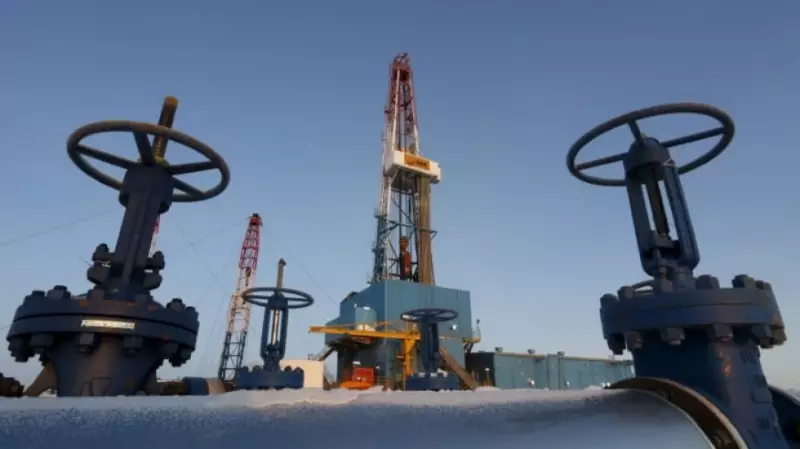
Sanctions Prompt Russian Oil Giant to Halt Iraqi Operations
In a significant development for global energy markets, the Russian oil company Lukoil has officially declared force majeure at Iraq's massive West Qurna-2 oilfield. This announcement, made public on November 10, 2025, comes as a direct consequence of recently imposed international sanctions, effectively halting its operations at one of the world's most prolific oil production sites.
Understanding the Force Majeure Declaration
A force majeure clause is a standard contract provision that frees both parties from liability or obligation when an extraordinary event or circumstance beyond their control occurs. In this instance, Lukoil is citing the sanctions as that uncontrollable event. This legal move suspends the company's contractual obligations, meaning it cannot be held liable for failing to meet its production targets or supply commitments from the West Qurna-2 field. The declaration underscores the severe operational and financial pressure that sanctions are placing on Russian energy giants with extensive international portfolios.
Global Energy Implications and Market Reactions
The invocation of force majeure at a field of this scale is poised to have ripple effects across global oil markets. West Qurna-2 is a giant oilfield, and any substantial disruption to its output contributes to market volatility and supply concerns. This event highlights the growing fragmentation in global energy trade, where geopolitical actions directly impact physical supply chains. Analysts are watching closely to see how other markets and producers, including those in Canada, might respond to the potential supply gap and shifting trade patterns resulting from this and similar sanctions-driven disruptions.







