Orders for liquefied natural gas (LNG) tankers are gaining momentum even as the Iran conflict casts a shadow over global energy markets, according to industry reports. Shipping companies are moving ahead with new vessel contracts, betting on sustained demand for Canadian and international gas exports.
Rising Demand for LNG Carriers
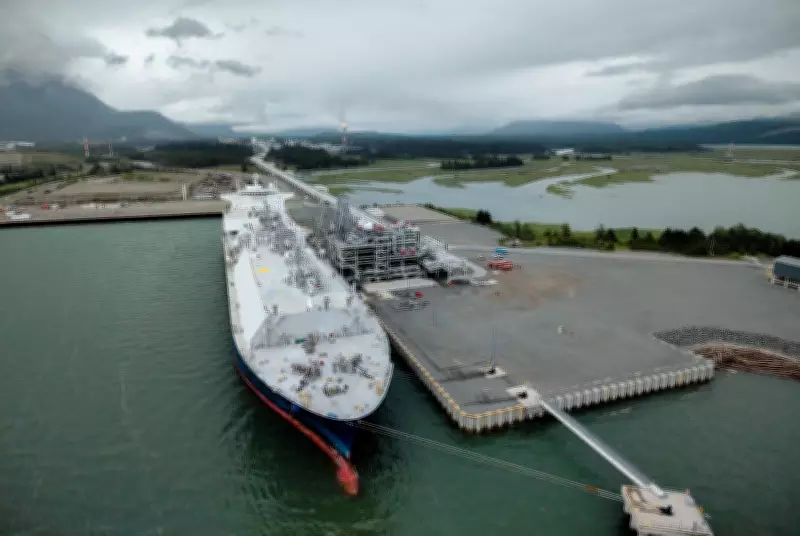
The pace of new orders for LNG carriers has picked up in recent months, driven by expectations of increased production from facilities such as LNG Canada in Kitimat, British Columbia. The first cargo from that terminal was loaded in June 2025, marking a milestone for the country's energy sector. Despite geopolitical tensions, including the ongoing war involving Iran, shipowners are committing to long-term investments in LNG transportation.
Market Outlook Mixed
Analysts remain divided on the near-term outlook. While some see the Iran war disrupting supply routes and boosting demand for alternative sources like Canadian LNG, others warn of potential oversupply and price volatility. The Bank of Canada is expected to hold its key interest rate steady as it grapples with the economic shock from the conflict.

Global consumer companies are also facing pricing stress from the oil shock, while the U.S. Federal Reserve is likely to hold rates steady as Chair Powell prepares for a possible final term. The energy sector's resilience is being tested, but LNG tanker orders suggest confidence in the long-term trajectory of natural gas trade.
Environmental groups have raised concerns about the expansion of fossil fuel infrastructure, but industry proponents argue that LNG is a cleaner alternative to coal and essential for energy security. The Arctic region, in particular, could see increased tanker traffic as Canadian exports grow.
Shipping firms are also eyeing newbuilds with improved efficiency and lower emissions, aligning with global decarbonization goals. The trend reflects a broader shift in maritime logistics as the world adapts to a changing energy landscape.