Report Warns of Significant Increase in Coastal Tanker Traffic
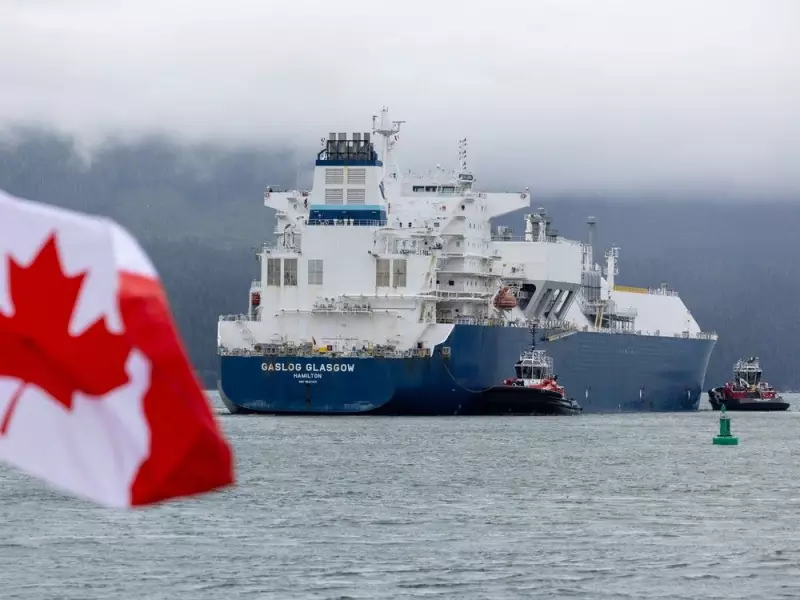
A substantial expansion of liquefied natural gas production in British Columbia could introduce approximately 200 additional LNG tankers each year over the next decade, according to a recent analysis. This projected surge in maritime activity raises concerns about heightened risks of spills and pollution in the already congested shipping channels of the Georgia and Juan de Fuca straits.
Massive Production Scale-Up Planned
The report highlights two specific gas plant initiatives: the expansion of the Tilbury LNG facility in Delta and the construction of the new Woodfibre LNG plant near Squamish. Together, these projects are poised to dramatically increase the region's LNG output. Production capacity, which stood at less than 100,000 tonnes annually in 2015, is projected to soar to nearly six million tonnes by the year 2035.
"We're seeing a 60-fold expansion planned from just these two projects," stated Curtis Kunitz-Martin, the author of the report. He emphasized the concentration of this growth in a single region and questioned the cumulative impact when considering additional proposed projects in Northern B.C.

Economic Promise Versus Environmental and Health Risks
This push for more tanker traffic aligns with the provincial government's broader strategy to expand LNG exports. The economic incentives are significant. A 2020 study by the Conference Board of Canada estimated that the burgeoning LNG industry could generate about 71,000 jobs per year in B.C. Looking further ahead to 2064, the board projected that over $200 billion in wages could flow into the province from LNG development, alongside annual tax and royalty payments approaching $2 billion.
However, Kunitz-Martin cautions that the increase in LNG tanker traffic is not without serious consequences. He points to elevated risks for public health and the delicate marine ecosystem. A primary concern is the release of methane gas, which can escape from storage containers during transit and is also emitted by ship engines. This escaped methane then reacts with other chemicals in the atmosphere to form ground-level ozone, a dangerous air pollutant that is particularly harmful to individuals with pre-existing respiratory conditions.
Population and Sensitive Habitats in the Pathway
The scale of potential exposure is considerable. More than 800,000 residents of British Columbia and Washington state live within a 10-kilometre radius of the approved tanker routes. These maritime pathways traverse or skirt the edges of several protected and environmentally sensitive marine zones.
Furthermore, the report identified that more than 1,000 kilometres of these tanker routes pass directly through waters that are federally designated or proposed as critical habitat for vital marine species. This includes iconic wildlife such as orcas, humpback whales, and various salmon populations.
In response to safety inquiries, Transport Canada noted that there are currently no LNG cargo exports transiting the Juan de Fuca or Georgia straits. The federal agency also stated that "all future LNG projects would need to undergo a regulatory assessment process to determine marine safety requirements." The department highlighted that since 2016, it has implemented several safety measures for ship traffic, including regulations that require vessels in Canadian waters to have spill response plans and formal arrangements with certified emergency response organizations.