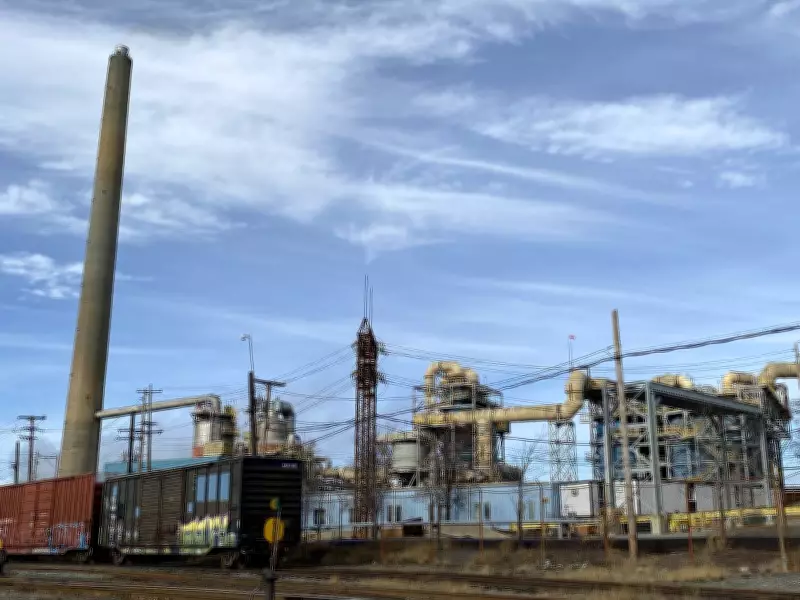
Quebec Premier Commits to Long-Term Stability for Horne Smelter Operations
In a significant move aimed at bolstering industrial stability in the Abitibi-Témiscamingue region, Quebec Premier François Legault has declared his government's readiness to ensure "seven years of predictability" for the Horne Smelter in Rouyn-Noranda. This announcement comes as the facility, owned by multinational mining giant Glencore, faces ongoing operational and environmental challenges that have sparked concerns among local communities and stakeholders.
A Strategic Pledge for Economic Continuity
The Horne Smelter, a cornerstone of Rouyn-Noranda's economy for decades, has been at the center of debates regarding its environmental impact and long-term viability. Premier Legault's commitment to providing a stable regulatory and operational framework for the next seven years is seen as a critical step toward addressing these concerns while safeguarding jobs and economic activity in the region.
This pledge of predictability is expected to encompass several key areas:

- Regulatory clarity on emissions standards and environmental compliance requirements
- Investment security for Glencore to modernize operations and implement cleaner technologies
- Workforce stability through guaranteed operational continuity
- Community engagement frameworks to address local concerns about health and environmental impacts
Context and Implications for Rouyn-Noranda
The Horne Smelter has been operating in Rouyn-Noranda since 1927 and represents one of Quebec's most important industrial facilities. However, recent years have seen increased scrutiny of its arsenic emissions and other environmental impacts, leading to calls for either stricter regulation or complete closure. Premier Legault's announcement appears to strike a middle ground, acknowledging both the economic importance of the facility and the need for improved environmental performance.
This seven-year predictability framework could potentially include:
- Gradual implementation of new emission reduction technologies
- Enhanced monitoring and reporting requirements
- Community health initiatives funded through partnership agreements
- Clear timelines for achieving specific environmental benchmarks
Broader Industrial Policy Considerations
Premier Legault's commitment to the Horne Smelter reflects a broader approach to Quebec's industrial policy that balances economic development with environmental responsibility. The seven-year timeframe provides enough stability for Glencore to make necessary investments while giving the government leverage to ensure continuous improvement in environmental performance.
The announcement comes at a critical juncture for Quebec's mining and smelting sector, which faces increasing pressure to reduce its environmental footprint while maintaining competitiveness in global markets. By offering predictability, the Legault government hopes to create conditions that allow for both environmental progress and economic stability in regions dependent on resource extraction and processing.
This approach aligns with Quebec's broader economic strategy of supporting traditional industries through transition periods while working toward more sustainable operations. The Horne Smelter case will likely serve as a model for how the province manages similar industrial facilities facing environmental challenges while remaining economically vital to their communities.