Kuwait Petroleum Corporation Implements Oil Output Reductions Amid Escalating Middle East Conflict
In a significant development impacting global energy markets, Kuwait Petroleum Corporation (KPC) initiated cuts to its oil production on Saturday and formally declared force majeure. This move comes as the ongoing U.S.-Iran war continues to disrupt shipments from the Middle East for the eighth consecutive day, exacerbating regional tensions and supply chain vulnerabilities.
Force Majeure Declared Amid Security Threats
According to a trade notice reviewed by Reuters, KPC cited explicit threats from Iran against maritime safety in the Strait of Hormuz, persistent attacks on Kuwait, and a severe shortage of available vessels in the Arabian Gulf as primary reasons for the force majeure declaration. The national oil company has not disclosed the specific volume of the output reduction, but it emphasized that the cuts are precautionary and will be reassessed based on evolving circumstances. KPC remains prepared to restore production levels once conditions stabilize.
Impact on Global Oil and LNG Supply
The Strait of Hormuz, a critical chokepoint for global energy transit, has been effectively blocked by the conflict, halting approximately 20% of the world's oil and liquefied natural gas (LNG) supplies. This disruption has already prompted earlier reductions in oil and gas outputs from neighboring countries such as Iraq and Qatar. Analysts are now predicting that the United Arab Emirates and Saudi Arabia may soon follow suit with their own production cuts as storage capacities dwindle under the strain of halted exports.

Kuwait's Production Profile and Export Significance
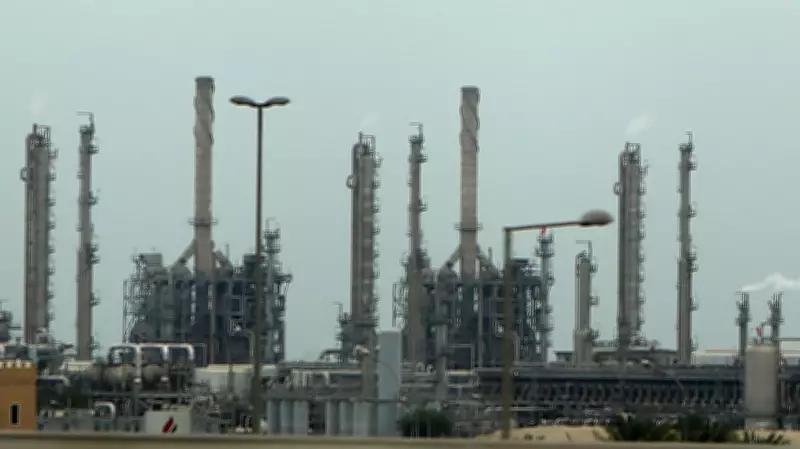
Kuwait, which produced around 2.6 million barrels per day of crude oil in February, plays a pivotal role in the global energy landscape. KPC is a major exporter of naphtha to Asia, a key feedstock for petrochemical manufacturing, and a significant supplier of jet fuel to north-west Europe. The company's decision to reduce refining throughput alongside crude production underscores the broad operational challenges posed by the conflict.
Regional Escalation and Broader Implications
The U.S.-Israeli military campaign against Iran has escalated beyond Iran's borders, with Tehran retaliating by targeting Israel and Gulf Arab states hosting U.S. military installations. In response, Israel has launched new attacks in Lebanon after cross-border fire from the Iran-aligned militia Hezbollah. This widening conflict not only threatens regional stability but also poses severe risks to international energy security, as key shipping lanes remain compromised and storage facilities approach capacity limits.
KPC has declined to provide further comments on the notice, leaving market observers to monitor the situation closely for potential ripple effects across global oil markets and related industries.