How the Iran Conflict Drives Up Gas Prices and Broader Economic Costs
The escalating military conflict in Iran is sending shockwaves through global energy markets, with immediate and severe consequences for consumers and industries worldwide. As tensions rise, the price of crude oil has experienced dramatic volatility, briefly surging toward $120 per barrel before retreating below $90. This instability directly translates to higher costs at gasoline pumps, creating a ripple effect across the entire economy.
Immediate Impact on Fuel and Transportation
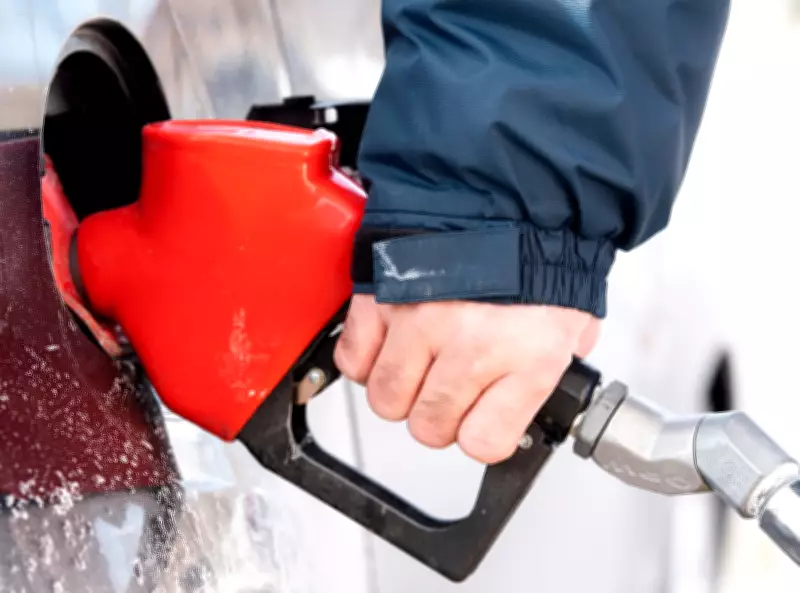
Airline shares have been particularly battered as jet fuel expenses soar, leading to a sharp increase in airfares for travelers. Meanwhile, on the ground, drivers are feeling the pinch with gasoline prices climbing in regions like Nova Scotia, where adjustments have occurred three times in a single week. The Canadian Transportation Agency recently fined Calgary-based WestJet $70,000, highlighting the regulatory scrutiny amid these turbulent conditions.
Analysts warn that the situation could worsen if the conflict prolongs, potentially pushing oil prices even higher and straining household budgets further. The uncertainty surrounding Iran's political future, including the naming of the late leader's son as the new supreme leader, suggests the regime is "doubling down," according to observers, which may sustain market anxieties.

Broader Economic Consequences
Beyond the pump, the war's impact extends to critical sectors like agriculture and retail. Farmers are facing elevated costs for operations, which are expected to drive up grocery prices for consumers. This adds to existing inflationary pressures, making everyday essentials more expensive. In the business realm, automakers are navigating challenges, with some allowed increased tariff-free U.S. imports due to higher Canadian production, as trade dynamics shift.
The conflict has also sparked debates in political circles, with opposition parties in Canada calling for clarity from the government as MPs prepare to debate the war. Former officials, like Canada's ex-foreign affairs minister, have questioned Prime Minister Carney's stance, while a former U.S. ambassador remarked that "diplomacy is not going to get us there" in ending the hostilities.
Global and Domestic Responses
Internationally, U.S. President Trump has stated that the war will be over "very soon," emphasizing a goal of establishing a system for "many years of peace." However, Canada's defence minister has firmly stated that the country "has not participated and will not participate" in the Middle East war, reflecting a cautious approach. Meanwhile, trade missions, such as Saskatchewan's to India, are being hailed as "important milestones" amid global disruptions.
As the situation evolves, experts caution that the economic fallout could persist, affecting everything from manufacturing to consumer spending. With oil prices whipping from highs to lows, markets remain on edge, and households brace for continued financial strain in the coming months.