

Recent widespread unrest in Iran, met with a severe government crackdown and internet blackouts, is sending ripples through global financial markets, most notably triggering swings in the price of oil. The geopolitical instability in a key energy-producing region has traders and analysts on high alert, assessing the potential for disruptions to the world's oil supply.
The Source of the Market Jitters
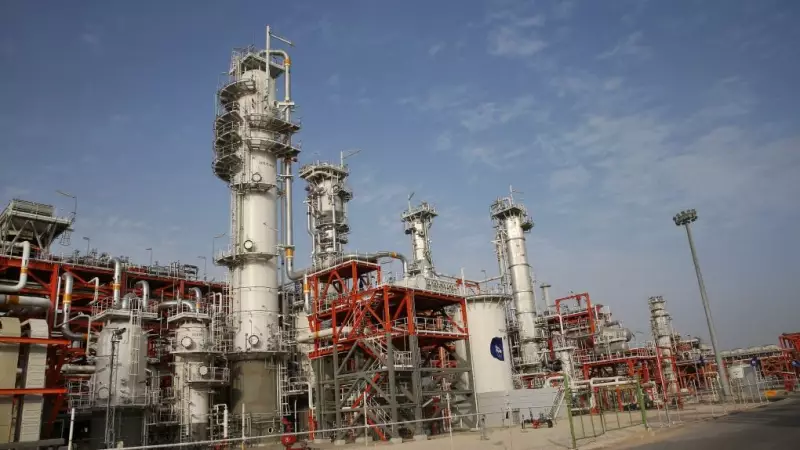
The direct link between Iranian domestic turmoil and international oil prices lies in the country's pivotal role in global energy production. Iran holds some of the world's largest proven oil and natural gas reserves. A significant portion of this production comes from facilities like the massive South Pars gas field, located on the coast of the Persian Gulf. Any threat of instability that could potentially impact production or export logistics from this region is viewed as a major risk to global supply chains.
Historical precedents show that political tension in the Middle East, especially involving major oil producers, often leads to a "risk premium" being added to oil prices. Traders factor in the possibility of supply interruptions, whether from intentional export reductions, infrastructure damage, or broader regional conflict that could block crucial shipping lanes like the Strait of Hormuz.

Understanding the Price Swings
The volatility manifests as sharp price increases on news of escalating protests or government actions that suggest prolonged instability. Conversely, prices may retreat if the situation appears to be contained or if there are signs of a rapid resolution, though the latter seems increasingly unlikely given the reported scale of the crackdown.
This dynamic creates a fragile market environment. The nationwide protests and subsequent internet outage reported in January 2026 have effectively smothered information flow, making it difficult for outside observers to gauge the true scale of the disruption and its potential to affect Iran's energy sector. This uncertainty itself is a key driver of price swings, as markets hate a vacuum of information.
Broader Implications and Market Outlook
For global economies, including Canada, sustained oil price volatility has wide-reaching consequences. It affects everything from gasoline prices at the pump to the cost of transportation and manufacturing. While Canada is a major energy producer itself, its markets are not insulated from global price shocks driven by geopolitical events elsewhere.
The situation underscores the delicate balance of the global energy landscape. Events in one nation can have immediate financial repercussions worldwide. As the standoff between the Iranian populace and its government continues, energy market analysts will be closely monitoring any signs of impact on production levels or export commitments from the Persian Gulf. The potential for further price swings remains high as long as the underlying political crisis persists, keeping traders braced for more turbulence ahead.






