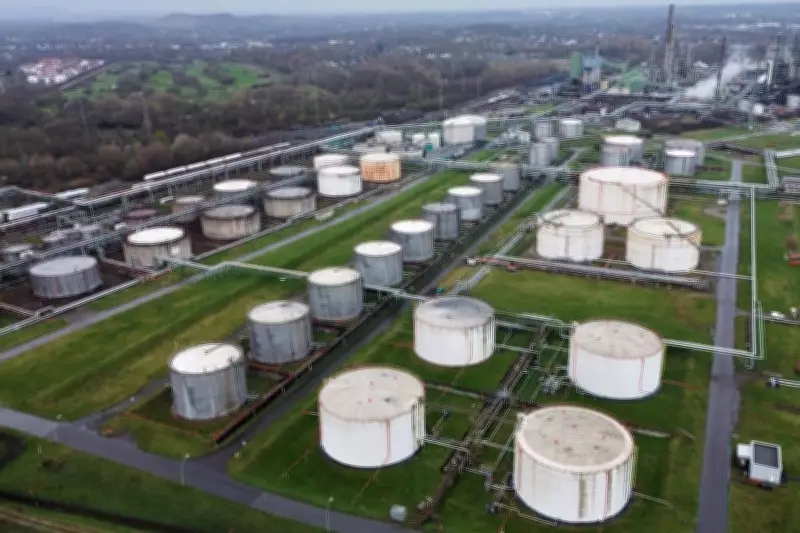
International Energy Agency Approves Unprecedented Emergency Oil Stock Release
The International Energy Agency (IEA) has reached a landmark agreement to authorize the largest coordinated release of emergency oil reserves in its history. This decisive action is aimed directly at calming turbulent global markets and mitigating the severe price surges that have placed immense strain on economies worldwide. The announcement comes as a direct response to escalating geopolitical tensions and supply chain disruptions that have driven crude oil costs to multi-year highs.
A Coordinated Global Response to Market Volatility
Member countries of the IEA, which include major industrialized nations, have collectively committed to tapping their strategic petroleum reserves. This coordinated effort is designed to inject significant additional supply into the market, thereby increasing availability and applying downward pressure on prices. The scale of this release is unprecedented, surpassing previous interventions during times of crisis such as the Libyan civil war and Hurricane Katrina disruptions.
The primary objective is to provide immediate relief to consumers and industries grappling with exorbitant fuel and energy costs. By flooding the market with millions of barrels from emergency stockpiles, the IEA hopes to bridge the gap between current strained supplies and robust global demand. This intervention is particularly critical for sectors like transportation, manufacturing, and agriculture, where energy inputs represent a substantial portion of operational expenses.

Addressing the Root Causes of Price Inflation
Several interconnected factors have converged to create the current high-price environment. Ongoing conflicts in key oil-producing regions have disrupted traditional supply routes and production capacities. Simultaneously, post-pandemic economic recovery has spurred a sharp rebound in energy consumption, outpacing the ability of producers to ramp up output. Additionally, refining bottlenecks and logistical challenges have further constrained the flow of petroleum products to end users.
The IEA's decision reflects a proactive approach to crisis management, utilizing one of the most powerful tools at its disposal. Strategic petroleum reserves were established precisely for such contingencies—to act as a buffer against severe supply shocks and to maintain market stability. This release signals a strong commitment from member nations to use these reserves not merely as a last resort, but as an active instrument of market policy.
Potential Impacts and Market Reactions
While the immediate effect of the announcement may be a psychological easing of market fears, the tangible impact will depend on the volume released and the speed of its deployment. Analysts anticipate that the additional barrels will help to:
- Reduce the premium on crude oil futures contracts linked to supply fears.
- Lower wholesale gasoline, diesel, and jet fuel prices over the coming weeks.
- Provide temporary breathing room for policymakers grappling with broader inflationary pressures.
However, experts caution that this is a temporary measure. Long-term price stability will require addressing fundamental issues in the energy sector, including investment in production capacity, diversification of energy sources, and enhanced efficiency measures. The IEA has concurrently emphasized the need for accelerated transitions to renewable energy to reduce dependency on volatile fossil fuel markets.
This historic move underscores the critical role of international cooperation in managing global economic challenges. As the situation evolves, market participants will closely monitor inventory levels, production responses from oil-exporting nations, and the duration of the reserve drawdown. The success of this intervention will be measured by its ability to restore confidence and provide meaningful, sustained relief at the pump for consumers around the world.