Gold prices declined as the Strait of Hormuz remained largely closed to shipping, despite ongoing efforts to negotiate a resolution to the United States-Iran war that has disrupted energy supplies and heightened inflation risks.
Gold Sinks Below $4,600
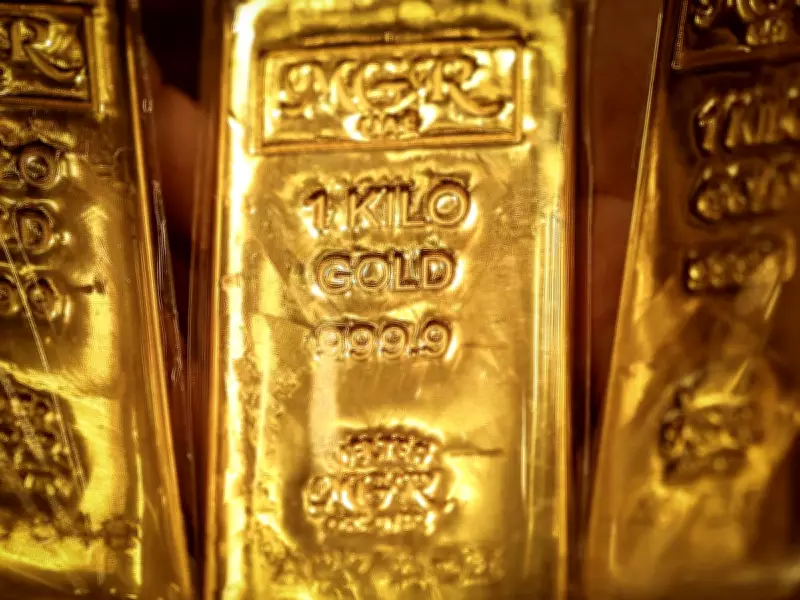
Bullion fell as much as 2.7%, dropping well below US$4,600 an ounce. Iran has indicated it may accept an interim deal to reopen the crucial waterway in exchange for Washington ending its blockade of Iranian ports. However, President Donald Trump is not satisfied with the proposal, according to the New York Times. Meanwhile, oil prices extended their rally.
Impact of the Conflict
The energy-supply shock caused by the eight-week conflict has added to inflation risks, increasing the likelihood that central banks will keep interest rates steady for longer or even hike them. This is a headwind for non-yielding bullion. Gold has lost more than 13% since the conflict began at the end of February.

“If the increase in oil prices continues, market participants could even start pricing in an interest rate hike again, as they did in mid‑March,” analysts at Commerzbank AG wrote in a note Tuesday. “In that case, the gold price could, as it did then, fall back towards USD 4,500 per troy ounce.”
Central Bank Decisions in Focus
Traders will be monitoring interest-rate decisions in the U.S., the European Union, the United Kingdom, and Canada this week. Earlier Tuesday, the Bank of Japan left its benchmark rate unchanged at 0.75%, with a split vote suggesting increased odds of a hike in June.
Spot gold fell 2.4% to US$4,570.19 an ounce at 1:06 p.m. in London. Silver slid 4% to US$72.51 an ounce. Platinum and palladium also declined. The Bloomberg Dollar Spot Index, a gauge of the U.S. currency, rose 0.3%.