Global Oil Scramble Fails to Curb Surging Gas Prices as Stopgaps Prove Inadequate
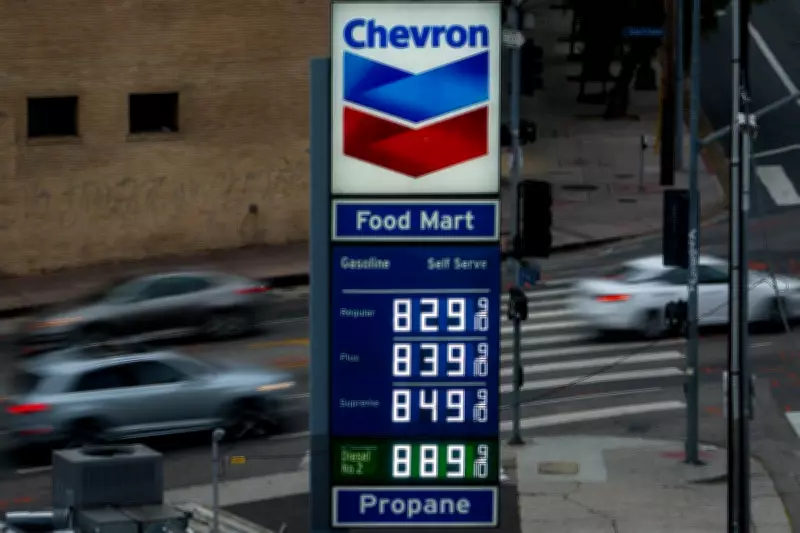
As gas prices continue their relentless upward trajectory, temporary measures implemented by governments and industry players are proving woefully insufficient to stem the tide. The world is now engaged in a frantic scramble for additional oil supplies, highlighting the deepening crisis in global energy markets.
The Ineffectiveness of Short-Term Solutions
Stopgap interventions, such as minor tax adjustments or limited strategic reserve releases, have failed to make a meaningful dent in the soaring cost of fuel. Experts warn that these piecemeal approaches do not address the underlying structural issues driving the price surge. "We are seeing a classic case of treating symptoms rather than the disease," noted one energy analyst. "Without addressing supply constraints and geopolitical instability, prices will remain elevated."
Factors Fueling the Price Surge
Several interconnected factors are contributing to the ongoing price increases:

- Geopolitical tensions in key oil-producing regions disrupting supply chains.
- Rebounding global demand as economies recover from recent downturns.
- Insufficient investment in new oil exploration and production over recent years.
- Refining capacity bottlenecks limiting the conversion of crude oil into usable fuels.
The cumulative effect has created a perfect storm that temporary measures cannot weather.
The Global Hunt for Additional Supply
Nations worldwide are now desperately seeking alternative oil sources to supplement dwindling supplies. This includes reaching out to previously untapped suppliers and reconsidering relationships with traditional producers. The competition for available barrels is intensifying, potentially driving prices even higher as buyers outbid one another.
Long-Term Implications for Consumers and Economies
The sustained high fuel costs are having ripple effects across global economies. Transportation expenses are rising for both individuals and businesses, contributing to broader inflationary pressures. "Every sector that relies on transportation is feeling the pinch," explained an economic researcher. "From agriculture to manufacturing to retail, increased fuel costs are being passed along to consumers."
As the search for more oil intensifies, it becomes increasingly clear that comprehensive, long-term energy strategies are needed rather than temporary fixes. The current crisis underscores the fragility of global energy systems and the urgent need for diversified, sustainable solutions to prevent future price shocks.