The European Union is actively evaluating strategies to bolster its aviation fuel security and promote sustainable air travel, as escalating tensions in the Iran war continue to strain global energy markets. According to recent reports, EU officials are considering a significant increase in imports of jet fuel from the United States, alongside a renewed push for cleaner aviation technologies, to mitigate supply disruptions and address environmental concerns.
Navigating Energy Disruptions
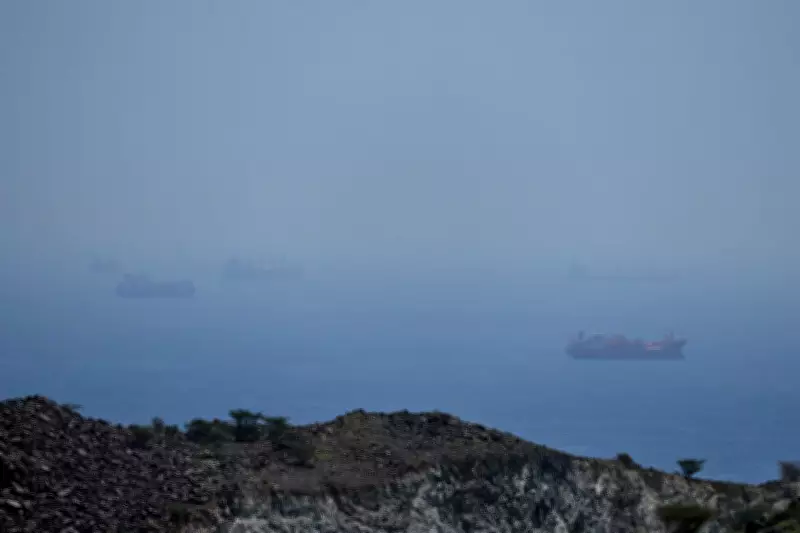
The conflict in Iran has led to heightened volatility in global oil and fuel supplies, with the Strait of Hormuz—a critical chokepoint for maritime traffic—experiencing increased military activity and logistical challenges. This has prompted the EU to seek alternative sources to ensure stable jet fuel availability for its airlines and transportation sectors. The potential shift toward US-sourced fuel represents a strategic move to diversify energy imports and reduce reliance on Middle Eastern supplies, which have become increasingly unpredictable.
Accelerating Clean Aviation Initiatives
In parallel, the EU is ramping up efforts to advance cleaner aviation solutions as part of its broader climate goals. This includes investments in sustainable aviation fuels (SAFs), electric and hydrogen-powered aircraft, and stricter emissions regulations. By integrating these initiatives with fuel security measures, the EU aims to not only cushion against geopolitical shocks but also drive long-term sustainability in the aviation industry, which is a significant contributor to carbon emissions.

Economic and Environmental Implications
The dual approach of securing US jet fuel and promoting cleaner technologies carries substantial economic and environmental implications. On one hand, increased imports from the US could help stabilize fuel prices and support airline operations, preventing potential disruptions to travel and trade. On the other hand, accelerating the adoption of cleaner aviation alternatives aligns with the EU's Green Deal objectives, potentially reducing the sector's environmental footprint and fostering innovation in green technology.
Experts note that this strategy reflects a growing recognition of the interconnectedness of energy security and climate action. As geopolitical tensions persist, the EU's response may serve as a model for other regions grappling with similar challenges, balancing immediate energy needs with long-term sustainability commitments.