The European Union has reached a pivotal agreement to completely phase out imports of Russian natural gas by the end of 2027. This landmark decision, aimed at permanently severing a major energy and financial link with Moscow, was confirmed on Wednesday, December 3, 2025. However, the unified front was not absolute, as the member states of Hungary and Slovakia formally registered their opposition to the plan.
A Strategic Deadline for Energy Independence
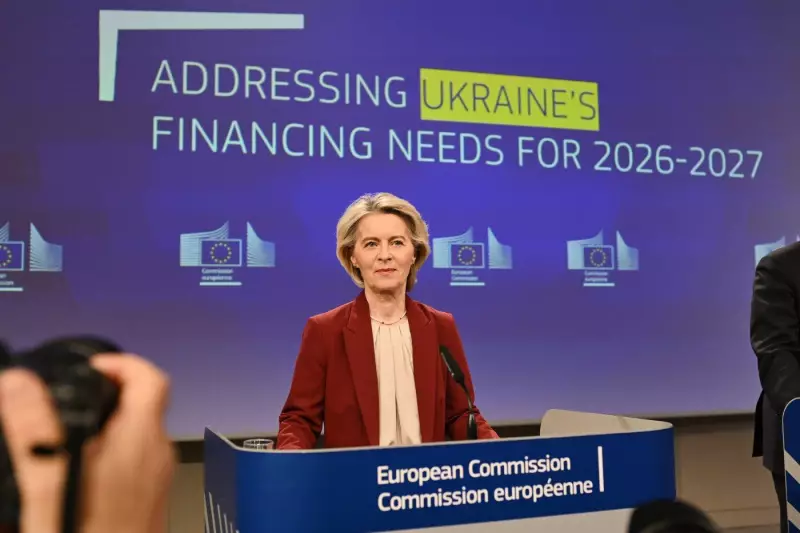
Announced by European Commission President Ursula von der Leyen at EU headquarters in Brussels, the 2027 cutoff date provides a clear timeline for the bloc's 27 member nations to finalize their transition away from Russian energy supplies. The move represents a significant acceleration of the EU's decoupling efforts, which began in earnest following Russia's full-scale invasion of Ukraine in 2022.
The agreement underscores a long-term strategic commitment to energy security and independence from Russia, beyond the immediate crisis. While many countries have already drastically reduced their reliance, this binding timeline aims to eliminate remaining dependencies and prevent any future resurgence of Russian gas influence in the European market.

Internal Dissent from Hungary and Slovakia
Despite the broad consensus, the deal faced notable internal resistance. Both Hungary and Slovakia, nations with historical energy infrastructure ties to Russia, voted against the measure. Their opposition highlights the ongoing challenges within the EU to achieve complete unity on energy policy, particularly for landlocked countries that lack immediate access to seaborne liquefied natural gas (LNG) alternatives.
The dissenting votes are expected to lead to further negotiations regarding potential exemptions, transition funding, or support for infrastructure upgrades to help these nations meet the 2027 deadline without severe economic disruption.
Implications and the Path Forward
The finalized plan now sets the stage for a massive, coordinated push across Europe. Member states will need to ramp up investments in several key areas:
- Diversification of gas supply sources, including increased LNG imports from global partners.
- Accelerated deployment of renewable energy sources like wind and solar power.
- Expansion and interconnection of pipeline networks within the EU to enhance energy sharing.
- Initiatives to improve energy efficiency and reduce overall consumption.
President von der Leyen framed the decision as not only a security imperative but also a catalyst for the European Green Deal, pushing the continent faster toward its climate neutrality goals. The coming years will be a critical test of the bloc's ability to execute a complex energy transition while maintaining economic stability and solidarity among all member states.