

Power Grid Struggles Stall Tech Growth in AI Epicentre
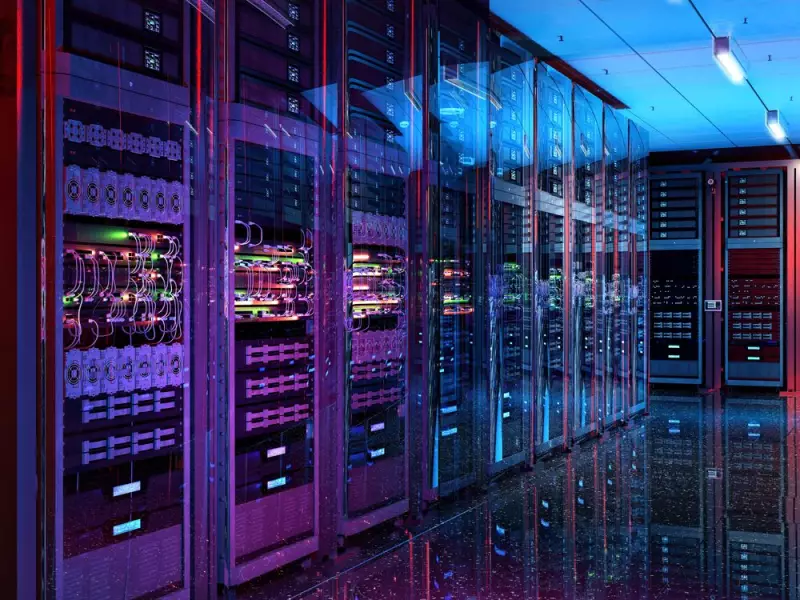
In the heart of Silicon Valley, where Nvidia Corp. fuels the global artificial intelligence revolution, two massive data centre developments stand eerily empty. These facilities, built by some of the world's largest developers, face an unexpected hurdle: the local power utility cannot supply them with electricity.
Digital Realty Trust Inc. applied to construct a data centre in Santa Clara, California back in 2019. Nearly six years later, the building remains a hollow shell, awaiting full connection to the power grid. Similarly, a nearby 48-megawatt project developed by Stack Infrastructure, now owned by Blue Owl Capital Inc., sits vacant for the same reason.
The Core Challenge: Surging Demand Meets Aging Infrastructure
The predicament facing these Santa Clara facilities underscores a monumental challenge confronting the entire U.S. technology sector and the broader economy. While demand for data processing capacity has skyrocketed, driven by the explosive growth of cloud computing and artificial intelligence, access to reliable electricity has emerged as the primary constraint.

This power shortage stems from a confluence of factors, including aging power infrastructure, a painfully slow build-out of new transmission lines, and a web of regulatory and permitting obstacles.
The pressure on the nation's power systems is projected to intensify dramatically. According to BloombergNEF projections, electricity demands from AI computing alone are expected to more than double in the United States by 2035. Tech leaders like Nvidia's Jensen Huang and OpenAI's Sam Altman have forecast that trillions of dollars will be invested in building new AI infrastructure in the coming years.
"The demand has never been higher, and it's really a power-supply problem that we have," stated Bill Dougherty, Executive Vice President for data centre solutions at real estate brokerage CBRE Group Inc.
A Local Problem with National Implications
The stalled projects in Santa Clara are relatively modest compared to the massive AI complexes being erected in states like Texas and Pennsylvania. However, they serve a critical, localized need. These smaller centres cater to clients like high-frequency traders and autonomous-vehicle operators who require ultra-low latency and cannot afford the delays caused by long-distance data transmission.
"There are portions of data-centre demand that need to be as close as possible to population centres," Dougherty explained. "That is the demand that needs to be in California. They can't bring it online because there's constraints on power."
Santa Clara is already a significant hub, with 57 active or under-construction data centres identified in a May city council presentation. In response to the growing demand, the city-owned utility, Silicon Valley Power, is undertaking a massive $450 million system upgrade. A spokesperson for the utility confirmed that this project is on schedule for completion in 2028.
This issue is not unique to California. Utilities across the United States are grappling with similar capacity limits. Dominion Energy Inc., which serves the world's largest concentration of data centres in northern Virginia, warned last year that connection times could stretch up to seven years. In Oregon, a legal dispute has erupted between Amazon.com Inc. and a utility over power denials for four planned data centres.
The empty shells in Nvidia's backyard are a stark physical reminder that the future of technological advancement is now inextricably linked to the capacity of our foundational power grids.






