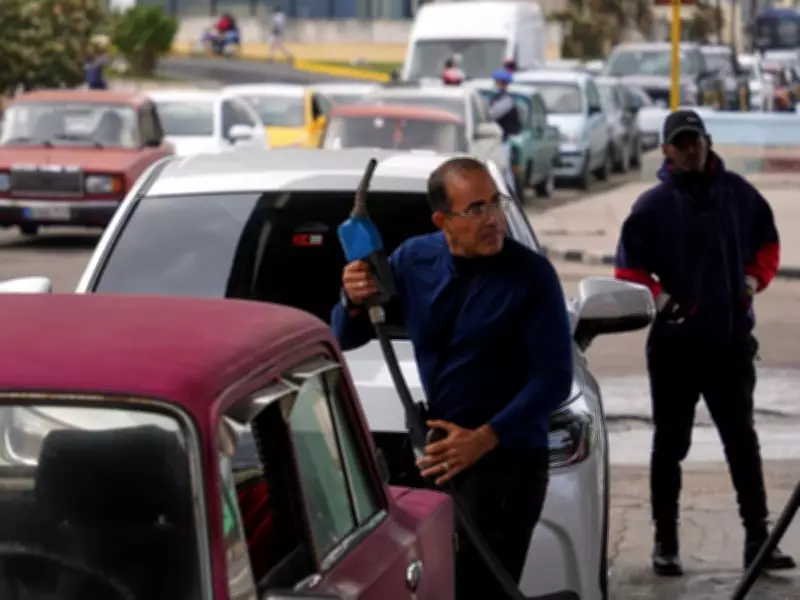
Cuba's Precarious Oil Situation: A Looming Energy Catastrophe
According to data from the analytics firm Kpler, Cuba is currently facing an unprecedented oil crisis, with only enough reserves to sustain the nation for 15 to 20 days at present consumption rates. This alarming shortage stems from a severe disruption in crude imports, primarily due to geopolitical pressures exerted by the United States under the administration of former President Donald Trump.
Geopolitical Stranglehold on Oil Supplies
The island nation, which has historically relied on Venezuela for subsidized or free oil shipments, saw those supplies effectively cut off following U.S. actions against the Venezuelan government. With Venezuela blocked, Cuba turned to Mexico as its sole remaining supplier. However, recent developments indicate that Mexico has canceled a planned shipment this month, reportedly under intense diplomatic and economic pressure from Washington.
"Cuba relied a lot on Venezuela. If now all it has is Mexico and Mexico is under pressure from the U.S. and can't export, Cuba has a big, big problem," stated Gonzalo Monroy, an energy consultant based in Mexico City. This sentiment is echoed by analysts who warn that without immediate resumption of deliveries, Cuba could face drastic rationing measures and extended nationwide blackouts.

Quantifying the Shortfall: A Dramatic Drop in Imports
Kpler's data reveals the stark reality of Cuba's import crisis. Thus far in 2026, Cuba has received a mere 84,900 barrels from a single Mexican shipment on January 9. This translates to just over 3,000 barrels per day, a staggering decline from the average of 37,000 barrels per day it received from all suppliers throughout 2025.
Victoria Grabenwöger, a crude research analyst at Kpler, provided a detailed assessment: "We can say that Cuba can run for 15 to 20 days if the January shipment is added to an estimated 460,000 barrels held in inventories at the start of the year." This calculation underscores the precariousness of the nation's energy security.
Political Rhetoric and Sovereign Decisions
The crisis intensified following Donald Trump's public vow to "choke off oil to the communist island" and his declaration that the regime was "very close to failing." This rhetoric was followed by concrete action when, just days after the last Mexican delivery and a week after the U.S. capture of Venezuelan leader Nicolás Maduro, Trump pledged that "no more oil" would reach Havana.
Mexican President Claudia Sheinbaum's statements have added to the confusion. Initially, she did not deny reports that a shipment planned for January had been shelved, calling it a "sovereign decision." However, she later denied stating that exports had ceased entirely, clarifying that oil shipments to Cuba continue via contracts with the state-owned company Pemex or as humanitarian aid.
Broader Economic and Social Implications
The oil shortage is not limited to crude; Cuba is also experiencing a critical deficit of fuel oil, which is essential for power generation. Kpler reports that the last fuel oil cargo from Venezuela arrived in November 2025, with no shipments since. This compounds an already dire situation for Cuba's moribund economy, which is simultaneously grappling with declines in tourism and sugar production.
Jorge Piñón, an oil expert at the University of Texas, warned, "They have a major crisis on their hands if more deliveries do not arrive in the coming weeks." Nicholas Watson of consultancy Teneo framed the crisis in existential terms, noting, "For the Cuban regime, the island's economic crisis is so severe as to be potentially existential."
The combination of geopolitical pressure, severed supply lines, and dwindling reserves has created a perfect storm, pushing Cuba toward an energy and economic cliff edge with potentially profound consequences for its population and political stability.