In a significant shift for global energy markets, Chinese oil refiners are actively turning their attention to Canadian crude supplies. This pivot comes as a direct consequence of recent U.S. political maneuvers in Venezuela, which have effectively cut off China's access to one of its key heavy oil sources.
US Action Disrupts Key Supply Line
The catalyst for this change stems from actions taken by the Trump administration. Over recent weeks, the United States has intensified an oil blockade and increased pressure on Venezuela's government, demanding it reduce ties with nations like China and Russia. This strategic move, aimed at securing U.S. access to Venezuela's vast oil reserves, has abruptly halted the flow of sanctioned Venezuelan crude to China.
For years, China was the top buyer of Venezuelan crude, benefiting from deeply discounted cargoes. Chinese refiners, both state-owned and private, utilized complex arrangements like oil-for-loan deals and shipments via a "dark fleet" of tankers to circumvent U.S. restrictions. The recent U.S. demand for Venezuela to partner exclusively with the U.S. on oil production has brought those flows to a sudden stop.

Canadian Crude Emerges as Prime Alternative
Faced with this supply crisis, Chinese processors are now looking north. Market traders report a noticeable increase in Chinese inquiries for Canadian supply following the escalation of the Venezuela situation. The appeal lies in the similar quality of the oil: both Venezuelan Merey crude and Canadian oil sands crude are classified as heavy-sour grades. This viscous, high-sulfur oil yields valuable products like bitumen upon distillation, making it ideal for China's refining needs.
Regular buyers of Venezuelan oil—including major firms like Shandong Chambroad Petrochemicals Co., Shandong Dongming Petroleum & Chemical Group, and Sinochem Hongrun Petrochemical Co.—are now compelled to find new sources. While a temporary buffer of about 22 million barrels of Venezuelan oil remains floating off the coasts of Malaysia and China, traders estimate this supply will only satisfy China's demand for up to two months. By the second quarter of the year, the need for Canadian crude or other alternatives will become urgent.
Market Dynamics and Price Considerations
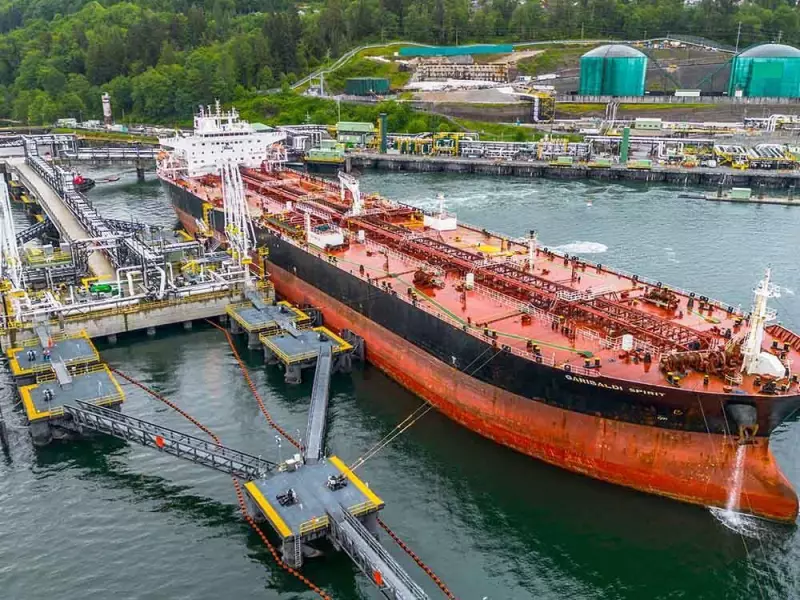
This shift is already reflected in trade data. According to figures from Kpler, China purchased just under 40% of Canada's seaborne crude exports in 2025. This established trade relationship positions Canada as a logical and available alternative for displaced Chinese demand.
However, the transition is not without its economic hurdles. Canadian crude currently commands a premium, costing approximately $8 to $9 more per barrel than Venezuela's Merey grade. This price difference may deter some cost-sensitive processors. Analysts suggest this gap could narrow as increased Chinese demand bids up the price of Canadian and other alternative heavy crudes, especially if Venezuelan oil remains off the mainstream market for an extended period.
The situation underscores the interconnected nature of global energy politics and trade. A political move in Caracas and Washington is now creating tangible opportunities and challenges for the Canadian energy sector, potentially reshaping trade flows in the Atlantic Basin and solidifying China's role as a dominant buyer of Canadian oil exports.