

The Canadian pipeline industry is experiencing a resurgence, with industry leaders and analysts expressing confidence in the ability to add more egress capacity for growing oil production. This optimism marks a significant shift from the past decade, which saw several major projects derailed or stuck in regulatory limbo.
Back to the Mid-2000s
Trans Mountain Corp. CEO Mark Maki compared the current momentum to the period from the mid-2000s to 2010, stating, “It feels like we’re on the edge of something really big.” However, he noted that several factors still need to align. Bevin Wirzba, CEO of South Bow Corp., echoed this sentiment, saying, “Now, there’s a lot of pieces on the board, but they’re not all connected yet.”
Recent Developments
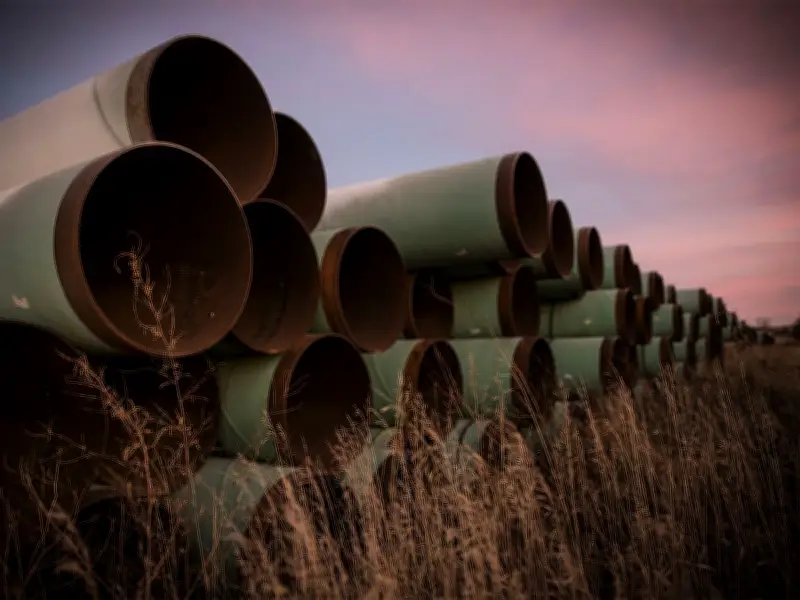
On Friday, South Bow announced that its open season for the proposed Prairie Connector project was successful. The project would use 150 kilometres of existing pipe intended for the Keystone XL pipeline and add new infrastructure to move oil south, linking to a U.S. project by Bridger Pipeline. A final investment decision is expected by mid-2026.

Calgary-based Enbridge is optimizing its Mainline system to add up to 400,000 barrels per day (bpd) in two phases: 150,000 bpd by end of 2027 and an additional phase by end of 2028. Trans Mountain Corp., federally owned, is considering increasing capacity by about 300,000 bpd within three years. Initially, drag-reducing agents could boost flow by 90,000 bpd by early 2026, with new pump stations raising total capacity to nearly 1.2 million bpd by end of 2028.
Long-Term Outlook
The Alberta government is proposing a greenfield pipeline to the Pacific Coast, operational no later than 2034, though a route and proponent have not been announced. These developments signal a robust future for Canadian pipeline infrastructure, ensuring continued production growth without exhausting pipeline space.






