Prime Minister Mark Carney has expressed confidence in the competitiveness of Canadian oil following the removal of Venezuelan leader Nicolas Maduro, while Conservative Leader Pierre Poilievre is using the geopolitical shift to renew calls for urgent approval of a pipeline to the Pacific Coast.
Carney Downplays Risk from Venezuelan Oil
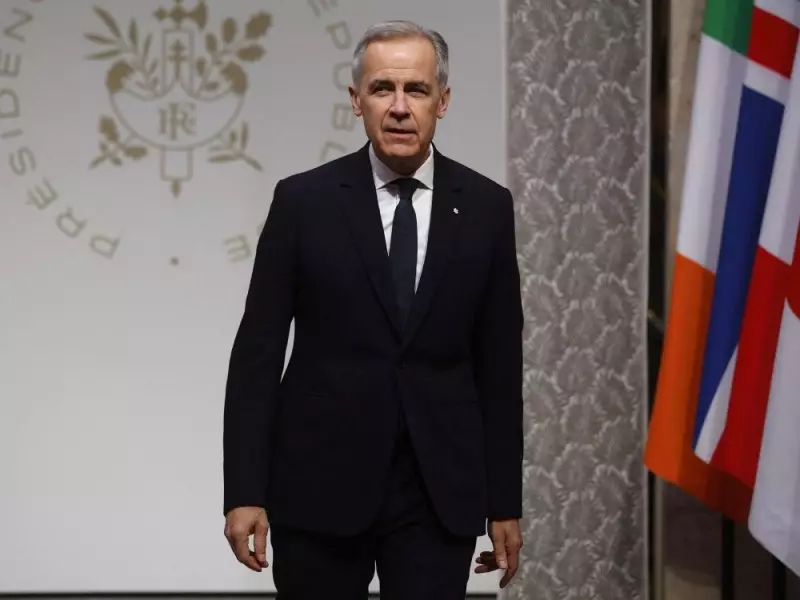
Speaking to reporters in Paris on Tuesday, January 6, 2026, where he was attending a meeting of Ukraine's allies, Carney welcomed the news of Maduro's capture by U.S. forces the previous Saturday. He acknowledged that oil production in Venezuela, which holds the world's largest reserves, is likely to increase under a new, democratically elected government.
However, Carney argued this development does not put Canada's energy sector at risk. "It's been our view, and we're working towards this, that Canadian oil will be competitive because it is low risk, clearly low risk, low cost … and low carbon, which is what the Pathways Project carbon capture will bring," Carney stated. He emphasized that these attributes make Canadian oil competitive for the medium and long term.

The Prime Minister also highlighted the importance of market diversification, specifically to Asia, and the construction of a pipeline from Alberta to the British Columbia coast to reduce reliance on the United States as the primary export market.
Pipeline Progress and Political Pressure
Carney's government took a step toward that goal in late November, signing a memorandum of understanding with Alberta Premier Danielle Smith to foster conditions for a West Coast pipeline. A final plan, however, requires approval from the British Columbia provincial government and affected Indigenous groups, which has not yet been secured.
Opposition Leader Pierre Poilievre seized on the Venezuela situation to apply pressure, framing it as a race against time for Canada's economic sovereignty. In a letter to Carney shared on social media platform X, Poilievre warned that a rapid rebound in Venezuelan heavy crude production—facilitated by potentially lifted U.S. sanctions—would directly compete with Canada's oilsands crude for specialized U.S. refining capacity.
"Every barrel the United States sources from Venezuela could mean one less barrel these refineries would buy from Canada," Poilievre wrote. "We therefore need new markets to sell to, and we need them quickly."
The Call for Swift Action
Poilievre's message was unequivocal: the change in Venezuela signals that Canada must accelerate its efforts to secure alternative markets. He urged the federal government to clear the path for a pipeline project that would move millions of barrels per day to overseas buyers, breaking what he described as a dangerous dependence on a single customer.
"The race has begun," Poilievre declared. "Venezuela's re-entry to American markets means time is running out. Our sovereignty depends on your government getting out of the way of Canada's workers, builders, and investors, so we can move again."
The political debate sets the stage for a contentious period in Canadian energy policy, with the Carney government advocating for a measured, competitive approach centered on low-carbon attributes, and the official opposition demanding immediate, decisive action to build infrastructure and secure Canada's economic future in a shifting global oil market.