

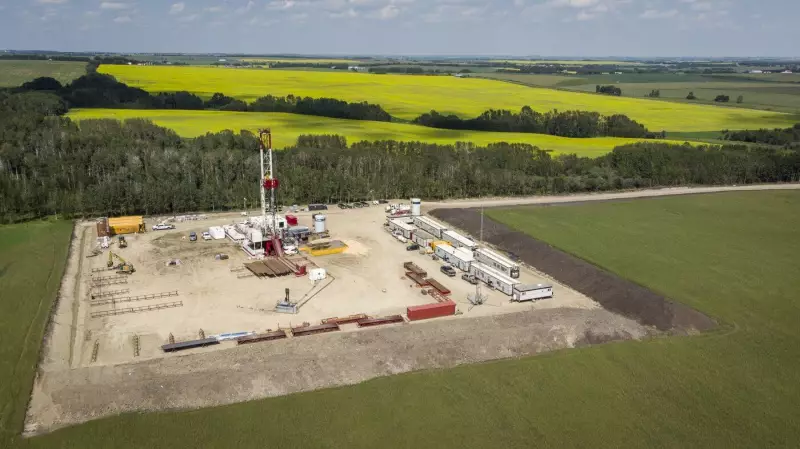
The Canadian oil and gas sector is poised for a modest rebound next year, according to a new industry forecast. After a period of relative stability, activity is expected to see a slight uptick, signaling cautious optimism among producers.
A Cautiously Optimistic Outlook
The forecast, published on December 1, 2025, points to incremental growth in drilling operations across the country. This prediction comes amidst a complex backdrop of global energy markets, domestic policy discussions, and ongoing environmental considerations. The anticipated increase, while not dramatic, suggests a stabilization and potential for gradual expansion in the sector.
This outlook is particularly relevant for provinces like Alberta, where the energy industry is a cornerstone of the economy. The image of a drilling rig operating near Cremona, Alta., captured in July 2021, remains a potent symbol of the industry's presence within the Canadian landscape, often juxtaposed against agricultural land.

Context Within a Broader Energy Landscape
This forecast emerges alongside other significant energy-related developments in Canadian news. Notably, Premier Smith is set to highlight provincial energy priorities at a Calgary luncheon, underscoring the political focus on the sector's future. Concurrently, the federal government is navigating a cabinet shuffle following the resignation of Steven Guilbeault, which may influence environmental and energy policy direction.
Furthermore, the statement from B.C.'s premier expressing openness to a new pipeline—provided the federal tanker ban remains—highlights the ongoing regional debates and conditions surrounding major energy infrastructure projects. These political and policy discussions form the crucial context in which the drilling activity forecast will unfold.
What This Means for the Industry
The predicted slight increase in activity is a key indicator for service companies, employment, and regional economies tied to the energy sector. It reflects a measured response to current commodity prices, regulatory environments, and market access. Analysts will be watching closely to see if this projected uptick materializes and whether it marks the beginning of a longer-term growth trend or a temporary adjustment.
The forecast does not operate in a vacuum. It intersects with national conversations about economic growth, climate goals, and Canada's role in global energy security. As the industry looks toward 2026, this projection offers a data point for planning, though companies will continue to navigate the same challenges and opportunities that have defined the sector in recent years.






