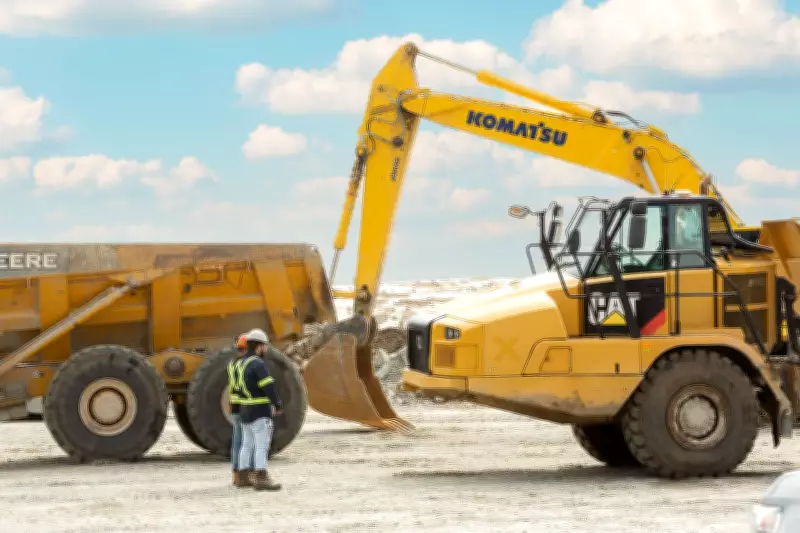
In a strategic push to secure its position in the global electric vehicle revolution, Canada is intensifying efforts to produce graphite domestically, a vital component for lithium-ion batteries. This move aims to bolster the nation's critical mineral strategy and reduce dependence on international suppliers, particularly China, which currently dominates the graphite market.
The Critical Role of Graphite in Modern Technology
Graphite serves as the primary material for battery anodes, making it indispensable for electric vehicles, consumer electronics, and energy storage systems. With the global transition to clean energy accelerating, demand for high-purity graphite is projected to skyrocket, creating both economic opportunities and supply chain vulnerabilities.
Canada's Ambitious Domestic Production Goals
Canada possesses significant graphite reserves, particularly in Quebec and Ontario, positioning it as a potential powerhouse in the battery materials sector. The federal government, in collaboration with provincial authorities, is implementing policies and incentives to attract investment in mining and processing facilities. These initiatives are designed to create a vertically integrated supply chain, from extraction to advanced manufacturing.

John Kirton, a political science professor at the University of Toronto, emphasized the importance of this strategy in a recent interview. He noted that developing domestic graphite production is not merely an economic imperative but a geopolitical necessity, ensuring Canada's energy security and technological sovereignty.
Challenges and Opportunities in the Graphite Market
Despite its potential, Canada faces several hurdles in scaling up graphite production. These include high capital costs, environmental regulations, and the need for specialized processing technologies to produce battery-grade material. However, advancements in extraction and purification methods, coupled with government support, are mitigating these challenges.
The global graphite market is currently valued at billions of dollars, with electric vehicle batteries accounting for a growing share. By establishing a robust domestic industry, Canada could capture a significant portion of this market, generating jobs and fostering innovation in green technology.
Implications for the Electric Vehicle Industry
Domestic graphite production would provide a reliable and sustainable source of battery materials for Canadian and international automakers. This could attract further investment in electric vehicle manufacturing within Canada, creating a cohesive ecosystem from raw materials to finished products.
Moreover, reducing reliance on imported graphite enhances supply chain resilience, protecting against disruptions caused by geopolitical tensions or trade disputes. This aligns with broader trends in reshoring and friend-shoring critical industries.
Future Prospects and Strategic Vision
Looking ahead, Canada's success in graphite production will depend on continued collaboration between government, industry, and research institutions. Investments in research and development are crucial for improving efficiency and reducing environmental impacts.
As the world moves towards a low-carbon economy, Canada's focus on critical minerals like graphite positions it as a key player in the global energy transition. By leveraging its natural resources and technological expertise, Canada can build a sustainable and competitive battery supply chain, driving economic growth and environmental stewardship.