

Canadian energy producers are bracing for a potential oil market surplus in 2026, but analysts say the country's significantly expanded pipeline capacity provides a crucial buffer against the price downturn currently gripping North American markets.
Prices Plunge to Near Five-Year Lows
North American oil benchmarks have been under intense pressure, with prices struggling to stay above water. This week, prices dipped perilously close to a five-year low, touching $55.06 per barrel on Tuesday before a slight recovery to just under $56 on Wednesday. Since late July, the commodity has been trapped below the US$70 per barrel threshold, a slide largely attributed to increased supply from the Organization of the Petroleum Exporting Countries (OPEC).
The Pipeline Advantage: A Lesson Learned from 2018
The current environment evokes memories of the severe price crash in late 2018, which hammered Canada's energy sector. However, the landscape has fundamentally changed. Rory Johnston, founder of Commodity Context, highlights the critical difference. "We have sufficient pipeline capacity such that we have much narrower or lower discounts for our crude," Johnston stated.

He recalls the 2018 crisis, when prices collapsed through the holiday season just as the discount for Canada's Western Canadian Select (WCS) crude blew out to an all-time high. Back then, the exorbitant cost of shipping constrained oil by rail forced producers to curtail output because operations became uneconomic.
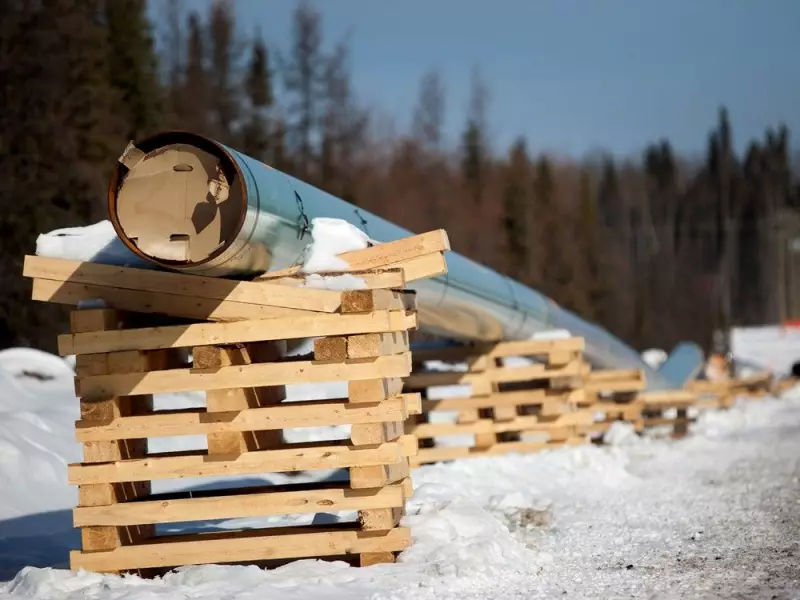
"The pain was caused by our own lack of doing, if you will, of lack of pipeline construction," Johnston noted. Today, with the long-awaited expanded Trans Mountain pipeline in operation, Canadian oil can reach tidewater and key markets more efficiently and at a much lower cost. This infrastructure means producers can still turn a profit even at diminished global prices, a stark contrast to the situation seven years ago.
Bracing for a 'Super Glut' in 2026
Looking ahead, the concern among market watchers is the building wave of global supply. Jeremy McCrea, Managing Director of Equity Research at BMO Capital Markets, warns of a significant oversupply scenario. "It's hard to grasp how severe this oil glut is looking to be," McCrea said, characterizing the coming challenge as either a glut or a 'super glut.'
The primary worry is the substantial inventory build-up occurring onshore, which continues to exert downward pressure on prices. This looming surplus makes the cost savings from new pipeline access not just beneficial but potentially vital for the Canadian oilpatch's resilience in the new year.
While lower prices will inevitably create short-term financial headaches for producers and Alberta's treasury, the sector's improved market access fundamentally alters its ability to weather the storm. The expanded pipeline network acts as a shelter, ensuring Canadian crude remains competitive and can continue flowing to market even during periods of significant global price weakness.






