As western Canadian oil production continues to climb, setting new records, the nation faces a pivotal crossroads in its energy strategy. With existing pipeline systems nearing capacity, the question looms large: should Canada direct its next major oil artery southward to the United States or westward to the Pacific Coast? This decision carries profound implications for market diversification, trade relations, and the country's role as an energy superpower.
The Strategic Crossroads: South vs. West
On one hand, expanding southward through projects like a revised Keystone XL pipeline or similar developments would bolster shipments to the U.S., where Canada already stands as the largest foreign energy supplier. This path leverages established trade routes and infrastructure, potentially offering quicker implementation and enhanced security in North American markets.
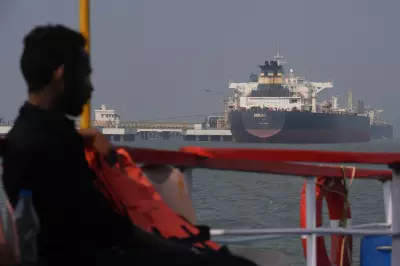
Conversely, a westward push, as advocated by Alberta with proposed bitumen lines, aims to access international customers via the Pacific Coast. This approach promises greater market diversification, reducing reliance on a single buyer and tapping into global demand, particularly amid geopolitical tensions such as the ongoing crisis in the Middle East.

Expert Insights on Capacity Constraints
Heather Exner-Pirot, director of natural resources, energy, and environment at the Macdonald-Laurier Institute, emphasizes the practical limitations. "You obviously can't fill both of them at the same time," she stated, highlighting the need for strategic prioritization. She argues that, especially in light of global instability, securing tidewater access for Canadian oil is crucial. "If 2026 wasn't the time when Canada thought about what being an energy superpower means—and that absolutely involves getting your own barrels to tidewater—it feels like a generational fumble," Exner-Pirot added.
Current Pipeline Developments and Expansion Plans
Recent announcements underscore the urgency of this debate. Trans Mountain Corp., a federal Crown corporation, has initiated an open season to assess shipper interest in boosting capacity on its network. The company plans to optimize its system, adding 300,000 barrels per day (bpd) by the end of 2028, enhancing oil exports to international markets.
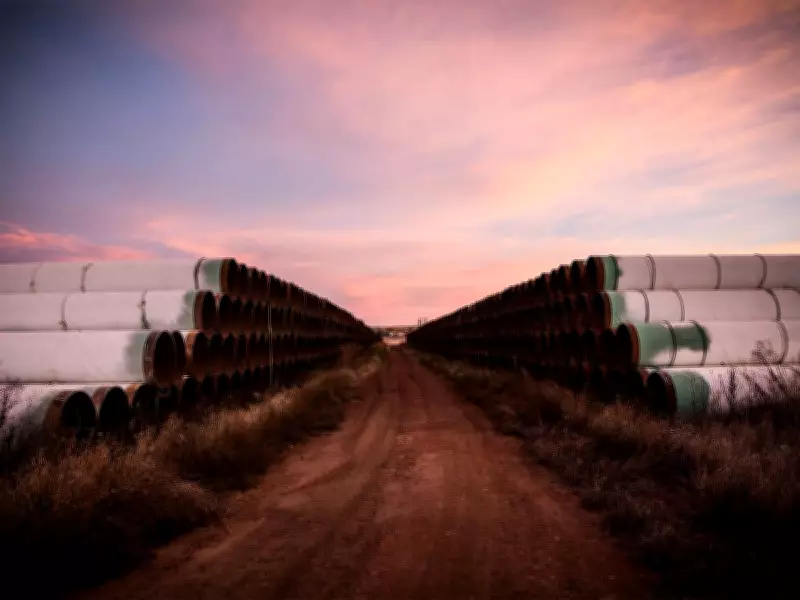
Simultaneously, Calgary-based Enbridge aims to expand its Mainline system by up to 400,000 bpd around 2028, increasing shipments to the U.S. Midwest and Gulf Coast. Additionally, South Bow, another Calgary firm, has launched an open season for the Prairie Connector project, which could utilize infrastructure originally built for Keystone XL to connect with U.S. systems.
Analyzing the Prairie Connector Initiative
The Prairie Connector project is poised to link with a proposed 550,000 bpd line by U.S. firm Bridger Pipeline LLC, transporting oil from the Canadian border to Guernsey, Wyoming. This development highlights the ongoing interest in southbound routes, leveraging pre-existing assets to streamline expansion.
Broader Context: Trade and Policy Implications
This pipeline debate unfolds against a complex backdrop of trade negotiations with the United States, a new federal-provincial energy pact, and global conflicts affecting energy security. The choice between west and south will not only shape Canada's economic future but also its diplomatic and environmental standing.
As oil output ramps up, industry leaders and policymakers must weigh the benefits of immediate U.S. market access against the long-term advantages of global diversification. The decision will influence investment, job creation, and Canada's ability to respond to shifting international dynamics.
In summary, Canada's energy sector stands at a critical juncture. With pipeline capacity constraints pressing, the direction chosen—whether south to the U.S. or west to the Pacific—will define the nation's energy trajectory for decades to come, balancing strategic alliances with economic resilience.