

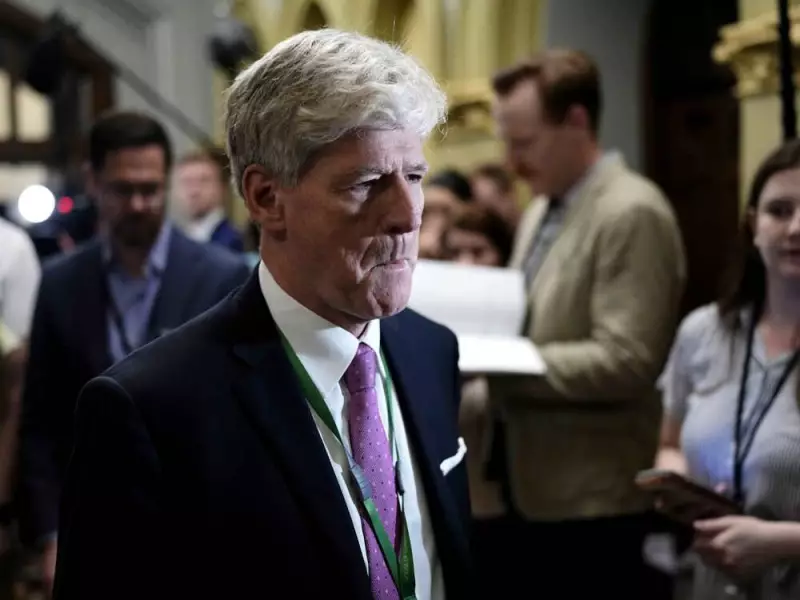
The Canadian government plans to significantly increase the operational capacity of the Trans Mountain oil pipeline before it considers selling any equity in the state-owned asset, according to Energy and Natural Resources Minister Tim Hodgson.
Optimizing Value Before a Sale
In an interview with Bloomberg, Minister Hodgson outlined the government's strategy. The priority is to undertake "optimization projects" over the next few years to maximize the pipeline's output. These steps are viewed as crucial to enhancing the asset's value for Canadian taxpayers ahead of any future divestment.
"As somebody who spent my life in the private sector doing deals, if and when somebody’s going to sell a project, you do it when you’ve optimized the output," said Hodgson, whose background includes two decades at Goldman Sachs Group Inc.

Resolving Key Uncertainties
Another major condition for a sale is the resolution of ongoing tolling disputes. Shippers using the expanded pipeline have contested the proposed tolls, arguing they should not bear the full cost of the project's significant overruns. Trans Mountain Corp. CEO Mark Maki indicated this regulatory issue may not be settled until late 2026 or early 2027.
Hodgson emphasized the government's desire for clarity, stating that uncertainty around tolls could depress the sale price. The involved companies and shippers are currently in settlement talks, with an update expected by February 6, 2026.
Expansion Plans and Indigenous Equity
The government-owned Trans Mountain pipeline, purchased in 2018 to ensure its expansion, began operations last year. The project's cost ballooned to roughly $34 billion, but it succeeded in tripling the system's capacity to move crude from Alberta to the coast in British Columbia.
Current plans aim to boost capacity further, from today's maximum of 890,000 barrels per day to about 1.25 million barrels per day through cost-effective de-bottlenecking measures. The Vancouver Fraser Port Authority also intends to dredge a harbour waterway to allow tankers to load more oil.
The sale process is complicated by the commitment to transfer a significant equity stake to Indigenous communities along the pipeline route—a promise made by former Prime Minister Justin Trudeau. However, structuring this transfer has proven challenging, with disagreements among more than 120 potentially impacted Indigenous groups over terms and eligibility.
While Prime Minister Mark Carney's government, which took office in March 2025, continues the policy of ultimately returning the pipeline to private hands, Hodgson's comments signal a patient, value-driven approach. The focus remains on completing optimization work and settling commercial disputes first.






