Last week in Calgary, federal Energy and Natural Resources Minister Tim Hodgson stated what industry insiders have long believed: energy is the heart of the Canadian economy. This sentiment comes as countries around the world increasingly call for Canadian energy resources.
The Global Demand for Canadian Energy
Alberta is blessed with some of the world's largest reserves of valuable commodities, and trading partners are well aware of this. Over the past months, nations including South Korea, India, China, the United Kingdom, and Germany have asked both the Alberta and federal governments for Canadian energy. However, the most significant barrier to meeting this demand is Canada's approach to energy regulation.
Regulatory Challenges
Major pipeline projects that could have connected Alberta's energy to international markets—such as Energy East and Northern Gateway—have been cancelled. The Trans Mountain Expansion Project took 11 years from application to operation. This inefficiency stands in stark contrast to historical precedents.

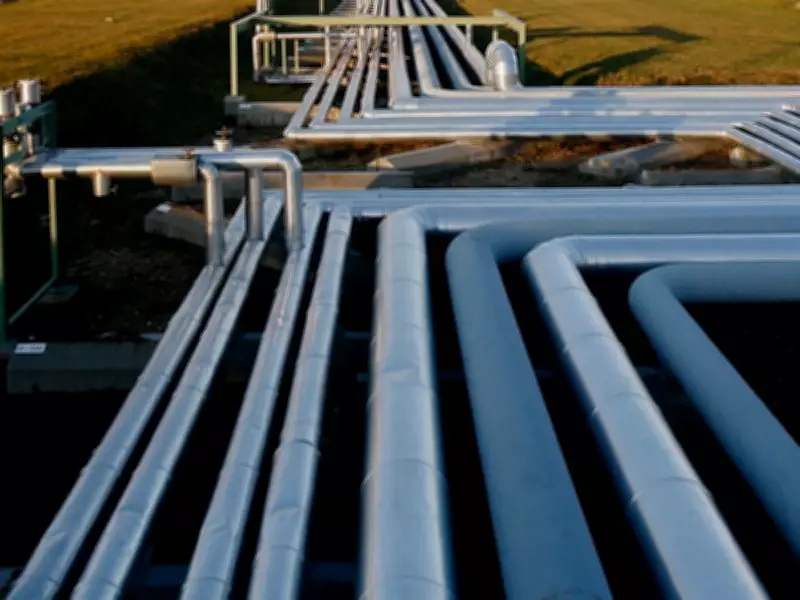
Thirty years ago, the Alliance Pipeline Project was proposed: a 3,800-kilometre gas pipeline from northeast British Columbia to near Chicago. The application was filed in June 1997 and approved in November 1998—a 16-month review. The pipeline began operations in 2001 and has since operated safely and quietly.
Technological and Indigenous Engagement Progress
In the 25 years since Alliance Pipeline began operations, pipeline technology has advanced significantly, with improvements in construction methods and mitigation measures. Indigenous engagement has also matured, now including employment, contracting with Indigenous businesses, capacity building, and equity ownership opportunities.
However, Canada's federal regulatory regime has moved in the opposite direction. Multiple regulators now oversee pipelines, including the Impact Assessment Agency, the Canada Energy Regulator, Fisheries and Oceans Canada, and Climate Change Canada. This duplication creates delays and uncertainty.
The Need for Regulatory Efficiency
The federal government's commitment to one project, one review is needed now more than ever to advance critical pipeline infrastructure. Alberta's new legislation to undertake project reviews in 120 days aligns with federal goals to build at unprecedented speed. Regulatory efficiency can coexist with Indigenous engagement, environmental protection, and safety standards. Removing duplicative assessments, sequential permitting, and unclear timelines will improve investor confidence and unlock Alberta's and Canada's energy superpowers.