

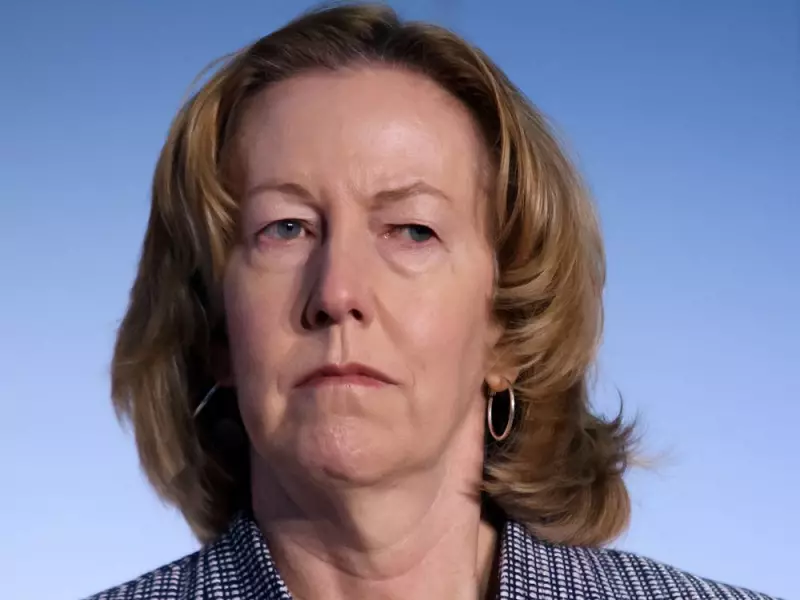
In a move that stunned global energy markets, British oil giant BP Plc has broken with tradition by appointing an external candidate, Meg O'Neill, as its next chief executive officer. She will officially take the helm in April, succeeding Murray Auchincloss who stepped down on December 18, 2025.
A Strategic Recalibration for BP
O'Neill's appointment is far more than a simple leadership change; it represents a significant strategic recalibration for the energy behemoth. BP has faced a series of challenges, including a failed pivot toward renewable energy, years of uneven financial performance, and mounting pressure from activist investor Elliott Investment Management to refocus on its core oil and gas business.
O'Neill arrives from Australian oil and gas leader Woodside Energy Group Ltd., where she has served as CEO since 2021. She brings a formidable reputation for operational rigor and a steadfast belief that natural gas, particularly liquefied natural gas (LNG), is a long-term necessity for global energy systems.

O'Neill's Pragmatic Vision for Energy
At a time when many oil executives face pressure to transition away from hydrocarbons, O'Neill presents a counter-argument: the world is not finished with them. Her philosophy centers on pragmatism over pure ambition, prioritizing climate solutions that deliver tangible commercial results.
During her tenure at Woodside, she oversaw a doubling of oil and gas output, aggressively expanded into seaborne LNG, and shelved lower-carbon projects that failed to meet commercial hurdles. "We should prioritize measures that deliver the biggest bang for buck," she told an audience at the Melbourne Mining Club in February 2025.
Colleagues describe her as analytically rigorous and intensely prepared, with a management style that pushes teams to think decades ahead. "Many nations have aspirations to grow renewables," O'Neill stated in a March 2025 Bloomberg TV interview. "They're going to need more gas to partner with those renewables." She projects that LNG demand will grow by 50% over the next decade.
Navigating a Divided Global Landscape
O'Neill steps into her new role amid a deeply fractured global political environment on energy. In the United States, a revived emphasis on fossil fuels contrasts sharply with the reality in Europe, where BP operates under tougher carbon-reduction mandates and stricter disclosure rules.
Experts like Susan Sakmar, a visiting assistant professor at the University of Houston Law Center, see O'Neill as the right leader for BP's renewed direction. "Her appointment as CEO seems well-aligned with BP’s reversal from green energy back to core oil and gas profitability," Sakmar noted. "Good news for BP."
However, critics view her selection as a sign of an industry choosing regression over reinvention. As the new CEO, O'Neill will have to skillfully navigate these opposing worlds, balancing the hunger for fossil fuels in growing Asian markets with the regulatory and societal pressures for decarbonization in the West. Her leadership will define BP's path in an era of unprecedented energy transition.






