

In a significant policy reversal, the British Columbia government has abandoned a plan that would have substantially reduced the property tax values for major pipelines, including the Trans Mountain expansion. This decision, confirmed on December 18, 2025, is a direct move to protect utility ratepayers across the province from facing higher costs.
The Reversed Plan and Its Financial Impact
The provincial government had initially proposed cutting the assessed values for pipeline properties, a move that would have lowered the tax revenue collected from these critical energy assets. This revenue is a key component of the funding structure for utilities. Had the cuts proceeded, the resulting financial shortfall would likely have been passed on to British Columbians through increased rates on their utility bills.
The reversal means the existing, higher tax assessments will remain in place, ensuring a stable stream of revenue that helps keep costs manageable for consumers. The government's about-face underscores the delicate balance between managing industry taxation and shielding households from additional financial pressure.

Context: The Trans Mountain Pipeline and Provincial Revenue
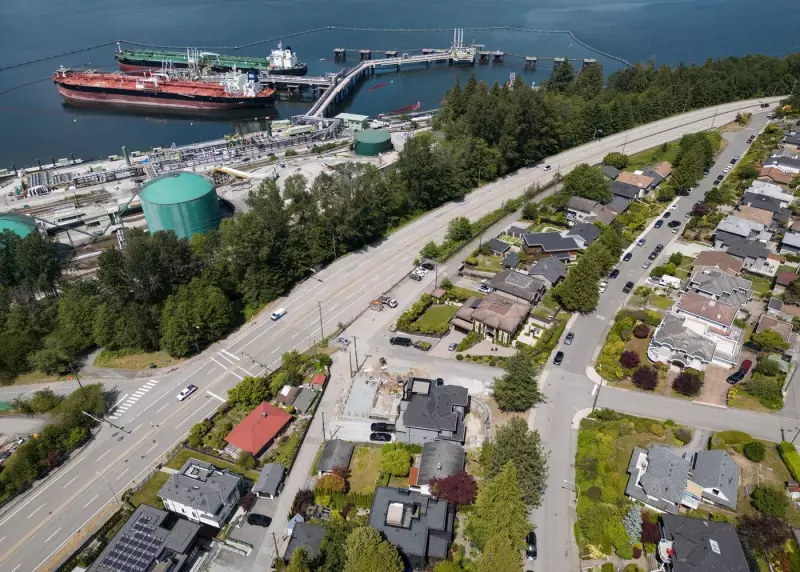
The decision directly impacts the Trans Mountain pipeline system, a federally owned project that has been a focal point of both economic and environmental debates in Canada. The expanded pipeline, which began transporting increased volumes of crude oil in 2024, terminates at the Westridge Marine Terminal in Burnaby, B.C.
This facility, where tankers like the SFL Sabine and Tarbet Spirit are loaded, is a major piece of industrial infrastructure. The property taxes it generates are significant for local and provincial coffers. Maintaining its current assessed value is crucial for public finances that support community services and help stabilize energy costs for residents.
What This Means for British Columbians
For the average ratepayer in British Columbia, the government's decision translates to a measure of cost certainty. By stepping back from the proposed tax value reductions, the province has effectively chosen to avoid a scenario where utilities would need to seek regulatory approval to recover lost revenue through higher customer charges.
This policy shift highlights the ongoing challenge governments face in setting fiscal policy for large-scale energy projects. It involves weighing the economic benefits of such infrastructure against the need to ensure its financial contributions are fair and that everyday citizens are not unduly burdened with the associated costs.
The announcement on December 18, 2025, marks a clear win for consumer advocates and represents a pragmatic adjustment by the provincial government in response to the potential consequences of its initial proposal.






