Alberta's Lithium Bonanza: A $1 Trillion Resource Awakens
BusinessNewsAlberta has revealed that the province is sitting on a potential US$1 trillion lithium resource, a discovery that could reshape its economic landscape. This massive deposit, located in the Leduc Formation in West-Central Alberta, has ignited intense speculation about the next steps for extraction and development. With global demand for lithium soaring due to its critical role in electric vehicle batteries and renewable energy storage, Alberta's untapped reserves present both a monumental opportunity and a complex challenge for policymakers, industry leaders, and environmental stakeholders.
The Leduc Formation: A Lithium Goldmine
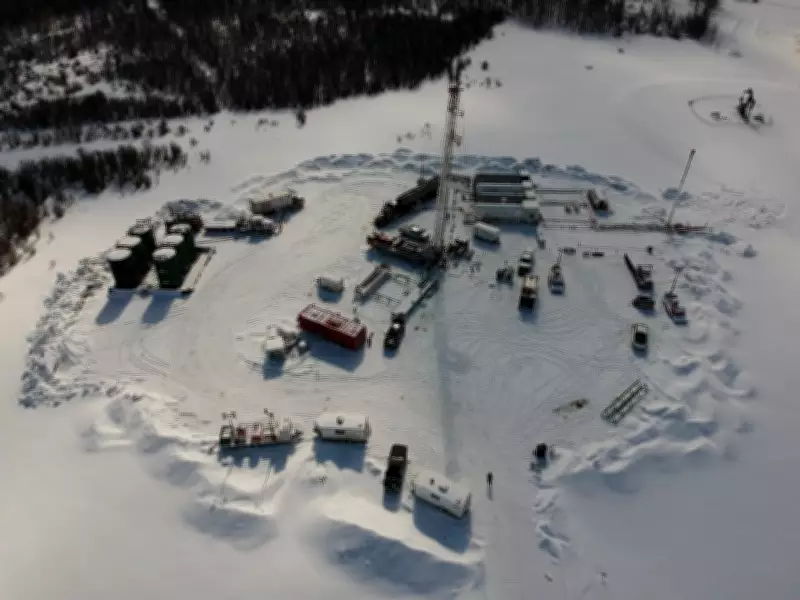
Brine sampling is currently in progress at LithiumBank's owned well in the Leduc Formation, a geological structure long known for its oil and gas reserves but now emerging as a lithium hotspot. This formation, rich in mineral-rich brines, could position Alberta as a key player in the global lithium market, rivaling traditional producers like Chile and Australia. The potential scale of the resource—estimated at US$1 trillion—highlights the transformative economic impact it could have, potentially diversifying Alberta's energy-dependent economy and creating thousands of jobs in mining, processing, and related sectors.
What Happens Now? Key Questions and Considerations
The discovery raises pressing questions about the path forward. First, extraction methods must be carefully evaluated; brine extraction, which involves pumping lithium-rich water to the surface for processing, is less invasive than hard-rock mining but requires significant water management to avoid environmental harm. Second, regulatory frameworks will need updating to address lithium-specific issues, such as water usage, land rights, and waste disposal, ensuring that development aligns with Alberta's environmental goals and community interests.

Economic and Environmental Balancing Act
On the economic front, this resource could bolster Alberta's finances through royalties and taxes, funding public services and infrastructure. However, it also necessitates investment in processing facilities to add value locally, rather than exporting raw materials. Environmentally, stakeholders must weigh the benefits against potential risks, such as water contamination and habitat disruption, advocating for sustainable practices that minimize ecological footprints. Public consultation and Indigenous engagement will be crucial to address concerns and build consensus around responsible development.
Global Context and Future Prospects
Globally, lithium demand is projected to grow exponentially as countries transition to clean energy, making Alberta's timing fortuitous. By leveraging its existing energy expertise and infrastructure, the province could fast-track development, but it must also navigate competitive pressures from other lithium-rich regions. Innovations in extraction technology, such as direct lithium extraction (DLE), could enhance efficiency and reduce environmental impacts, positioning Alberta as a leader in ethical resource production.
In summary, Alberta's US$1 trillion lithium resource is a game-changer with far-reaching implications. As exploration continues, the province faces a critical juncture: harnessing this wealth for economic growth while safeguarding its natural heritage. The decisions made in the coming months will determine whether this potential becomes a prosperous reality or a missed opportunity in the race for green energy supremacy.