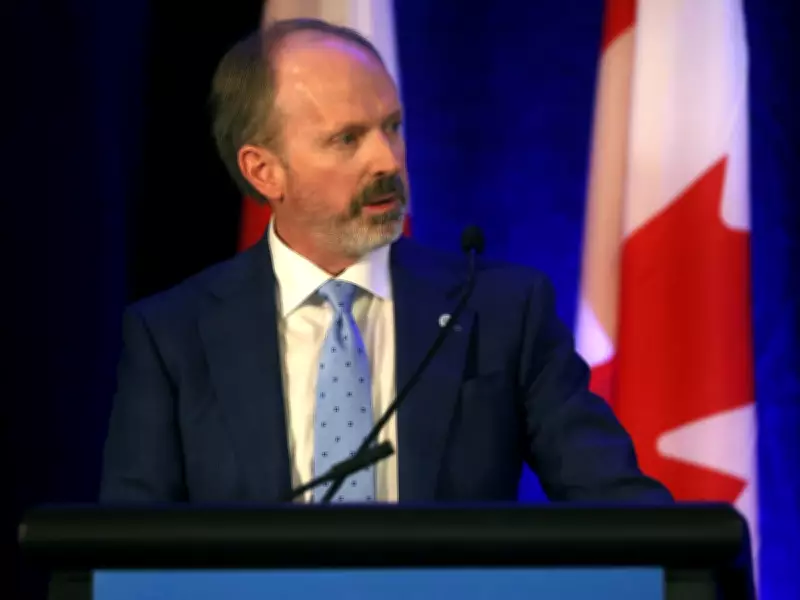
Alberta's proposed million-barrel-a-day pipeline to the British Columbia coast will require Canada's oil industry to invest more than $100 billion, according to John Whelan, chief executive of Imperial Oil Ltd.
Massive Investment Required
Speaking at the Energy Roundtable conference in Calgary, Whelan explained that industry will need to invest capital in growing production to fill the new pipeline, make shipping commitments, and also invest in a carbon capture project mandated by the federal government. The total cost is 'north of a hundred billion dollars that we will need to attract to this industry,' he said. 'Now I think we can do that, but that's kind of scale of what we're talking about.'
Provincial and Federal Support
Alberta Premier Danielle Smith proposed the new pipeline to the west coast as part of her goal to eventually double oil production in the province. Prime Minister Mark Carney has pledged to back the new pipeline in exchange for a series of measures, including a higher industrial carbon tax and the deployment of a long-planned carbon capture project in the oilsands, called Pathways, to reduce emissions.

Alberta plans to roll out details of the new pipeline, including the planned route to the coast, by July for federal approval by October. Alberta's preferred northwest route faces stiff pushback from Indigenous groups in B.C. as well as the province's Premier David Eby. The project may also require a lifting of a moratorium on oil tankers if the pipeline goes to the northern B.C. coast, which Smith wants. Construction could start late next year, the government has said.
Imperial Oil, a unit of Exxon Mobil Corp., is one of Canada's biggest oilsands producers, operating the Kearl mine and the Cold Lake in-situ oilsands well site.