Alberta's Fiscal Outlook: Oil Price Surge Unlikely to Eliminate Deficit, Says Finance Minister
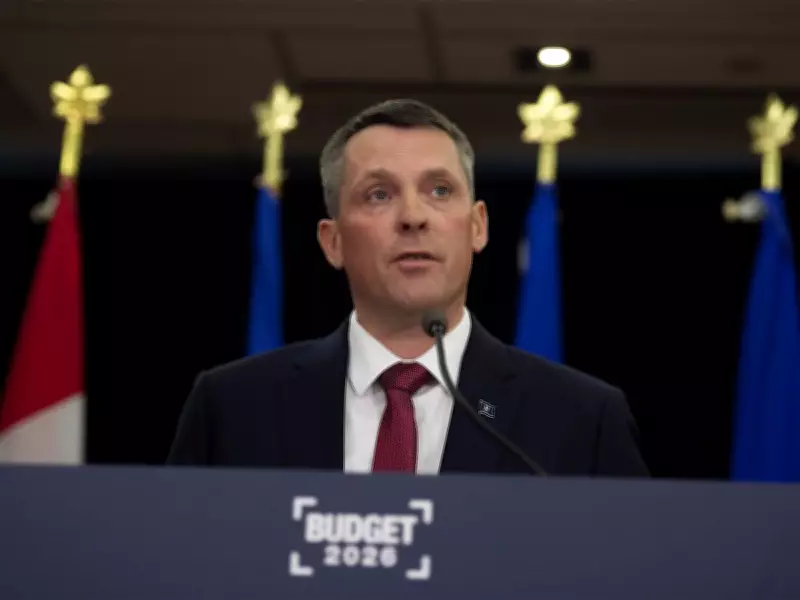
Alberta Finance Minister Nate Horner has indicated that the province's financial position is expected to remain in deficit for the fiscal year ending in 2026, despite a significant recent surge in oil prices. Speaking to reporters at the legislature on Wednesday, Horner acknowledged that higher-than-projected oil prices have positively impacted the fiscal outlook, but he emphasized that this improvement is insufficient to eliminate the deficit entirely.
'Highly Unlikely' to Exit Deficit Position
"The position will have improved. Is it enough to take us out of a deficit position? Highly unlikely," Horner stated. He noted that while his office has conducted preliminary calculations, specific updated numbers for the 2025/26 fiscal year-end are not yet available. The minister confirmed that oil prices have reduced the multi-billion dollar deficit, but he stopped short of providing exact figures.
The provincial budget, tabled in late February, forecasted a $4.1 billion deficit for the 2025/26 fiscal year, which concluded on Tuesday. This figure represents a 36 percent decrease from the $6.4 billion deficit projected in the government's second-quarter fiscal update. Horner expressed optimism that the final number will be better than the initial forecast, but he reiterated that a deficit is still anticipated.

Impact of Oil Price Volatility
Since the budget's release on February 26, oil prices have surged well above government projections. Last month, prices ranged from US$85 to as high as US$115 per barrel, driven by escalating conflicts involving the United States, Israel, and Iran. The closure of the Strait of Hormuz by Iran, a critical waterway for oil transport, has limited supply and contributed to price increases.
These higher oil prices have translated into added costs for consumers, with fuel prices exceeding $1.70 per liter in Edmonton in recent weeks. According to the 2026/27 budget, every US$1 change in West Texas Intermediate (WTI) prices results in a net impact of $680 million on average over a year. The budget projected a $9.4 billion deficit for the 2026/27 fiscal year, based on an average WTI price of US$60.50.
Political Reactions and Future Updates
Official Opposition Leader Naheed Nenshi criticized the government's financial management, stating, "We're staring at one of the largest deficits we've ever seen. This government simply doesn't know how to manage the books, and it's time for a government that does." This comment highlights the political tension surrounding Alberta's fiscal challenges.
Horner announced that the government will update its forecast in August, using the first quarter of actual data to refine projections. The final deficit number for 2025/26 will be revealed in the year-end fiscal report, due before the end of June. As the new 2026/27 fiscal year begins, the province continues to grapple with balancing its budget amid volatile oil markets and global economic uncertainties.
In summary, while Alberta's finance minister acknowledges the beneficial effect of rising oil prices on the province's finances, he maintains that a deficit is still expected for the 2025/26 fiscal year. The situation underscores the ongoing reliance on oil revenues and the challenges of fiscal planning in an unpredictable economic environment.