Artemis II Successfully Launches, Marking Humanity's Return to the Moon
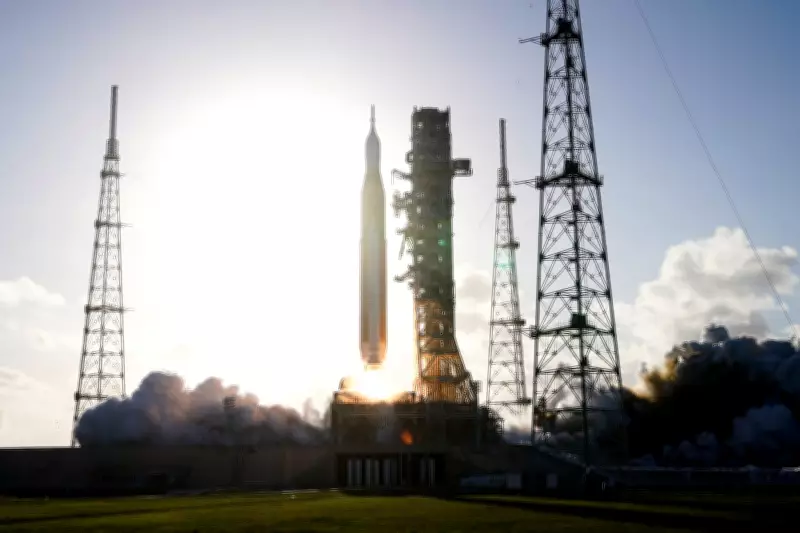
In a historic moment for space exploration, NASA's Artemis II mission has successfully launched from Cape Canaveral, Florida. This monumental event represents humanity's first crewed mission to the moon in more than fifty years, reigniting global interest in lunar exploration and scientific discovery.
A New Chapter in Lunar Exploration
The Artemis II launch signifies a pivotal moment in space history, coming decades after the final Apollo mission in 1972. This mission carries four astronauts, including Canadian Space Agency astronaut Jeremy Hansen, who becomes the first Canadian to journey to the moon. The crew will conduct a lunar flyby, testing critical systems and paving the way for future Artemis missions that aim to establish a sustainable human presence on the lunar surface.
Weather conditions played a crucial role in the launch timeline, with mission controllers closely monitoring forecasts at Cape Canaveral to ensure optimal conditions for the historic liftoff. Final preparations involved extensive checks of the Space Launch System rocket and Orion spacecraft, both representing next-generation technology designed for deep space exploration.

Canadian Participation and Global Significance
Canada's involvement in Artemis II through astronaut Jeremy Hansen highlights the international collaboration driving modern space exploration. The mission demonstrates how global partnerships are essential for ambitious scientific endeavors. Canadian Space Agency astronaut Joshua Kutryk described the launch day as "an exciting day full of optimism," reflecting the enthusiasm within the space community.
Former Canadian astronaut Roberta Bondar emphasized the significance of this mission, stating, "It's an incredible moment" for what's at stake in returning humans to the moon. The mission's success could unlock new scientific discoveries and technological advancements with applications extending far beyond space exploration.
Educational Impact and Public Engagement
The Artemis II launch has captured public imagination worldwide, with live coverage allowing millions to witness this historic event. Educational institutions across Canada have embraced the mission as a teaching opportunity, with one Ontario school honoring alumnus Jeremy Hansen as students followed the launch preparations. This engagement reflects how space exploration continues to inspire future generations of scientists, engineers, and explorers.
The Artemis program represents more than just a return to the moon; it serves as a stepping stone for eventual human missions to Mars and beyond. Each successful launch brings humanity closer to answering fundamental questions about our solar system while developing technologies that may benefit life on Earth.
As Artemis II journeys toward the moon, mission controllers will monitor the spacecraft's systems and crew health throughout the mission. The data collected during this flight will inform future Artemis missions, including Artemis III which plans to land astronauts on the lunar surface. This launch marks not just a return to past achievements, but the beginning of a new era in human space exploration.