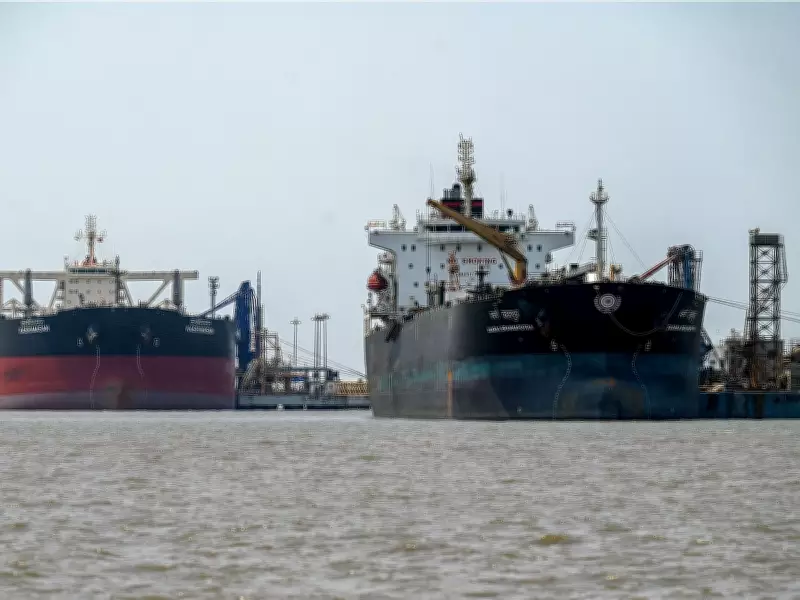
Maritime Traffic Remains Severely Limited in Strait of Hormuz Following Ceasefire
According to the latest maritime tracking data, only ten vessels have successfully passed through the strategically vital Strait of Hormuz since the implementation of the Middle East war ceasefire. This figure represents a mere fraction of the approximately eight hundred ships that were stranded in the region, underscoring the persistent fears and operational challenges surrounding the use of this critical waterway.
Breakdown of Vessel Movements
The data, provided by maritime analytics firm Kpler, reveals that the ten passages consist of just four tankers and six bulk carriers. Notably, only one of these tankers, identified as the Gabon-flagged MSG, is not Iranian. The MSG transported approximately 7,000 tonnes of Emirati fuel oil through the strait on Thursday and is currently en route to India, as monitored by MarineTraffic.
The overwhelming majority of the limited traffic continues to be driven by Iranian trade. A dozen other vessels appeared poised to traverse the waterway, all of which were either originating from or destined for Iran, or had affiliations with nations not hostile to Iran. This pattern indicates little substantive change from the traffic levels observed prior to the ceasefire announcement.

Expert Analysis on Shipping Disruption
Industry experts have characterized the situation as dire. "The Strait remains as open or closed as it was before the ceasefire plan emerged," stated Richard Meade, editor-in-chief of the shipping journal Lloyd's List, during a recent briefing. Bridget Diakun, an analyst with Lloyd's List Intelligence, quantified the disruption, noting that traffic over the past week was "90 percent below normal levels."
Ana Subasic, a Kpler analyst, projected that traffic might only reach a maximum of 10 to 15 passages per day, contingent on the ceasefire holding. Historical data from Kpler shows that from March 1 to April 8, there were 315 passages by commodity carriers, with 202 being oil and gas tankers, most heading east toward the Gulf of Oman, predominantly involving Iranian-linked shipping.
Geopolitical Context and Lingering Tensions
The 167-kilometer (104-mile) strait, which connects the Gulf to the Indian Ocean and typically handles about one-fifth of the world's crude oil and liquefied natural gas, was promised reopening by both Iran and the United States following the announcement of a two-week truce. However, statements from Iran's Revolutionary Guards (IRGC) and ongoing Israeli military actions in Lebanon have cast a significant shadow over the security of the passage.
More than five weeks after the conflict began with U.S. and Israeli strikes on Iran, hundreds of ships with thousands of crew members remain immobilized on either side of the strait. The International Energy Agency has described the war as causing the most severe supply disruption ever witnessed in the global oil market.
Controversy Over Proposed Tolls
A new point of contention has emerged with Iran's discussion of potentially imposing a toll on ships passing through the Strait of Hormuz. While Iran agreed to reopen the thoroughfare during the truce, it has also suggested a toll system to fund reconstruction efforts following the attacks. This proposal was swiftly denounced by the United States and the European Union on Thursday.
The issue is expected to be a key topic at peace talks scheduled to open in Pakistan on Friday, adding another layer of complexity to the fragile ceasefire and the prospects for normalized maritime traffic through one of the world's most crucial shipping lanes.