

Moody's Analytics Issues Stark Warning: U.S. Recession Threat Intensifies Amid Iran Conflict
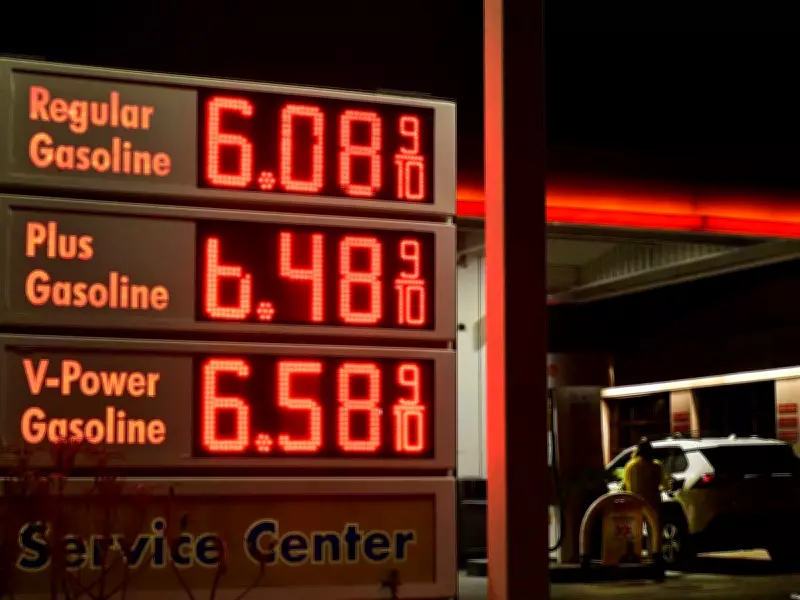
Global economic fears are escalating as the war in Iran enters its fourth week, with Moody's Analytics chief economist Mark Zandi warning that a U.S. recession would be "difficult to avoid" if oil prices remain elevated for an extended period. The conflict has already triggered significant volatility in energy markets, with oil prices spiking over the weekend following geopolitical tensions before partially retreating after diplomatic communications.
Oil Price Surge Pushes Recession Probability Toward Critical Threshold
Zandi emphasized that even before the Iran conflict erupted, Moody's economic indicator model placed the probability of a U.S. recession within the next 12 months at 49 percent. "It isn't a stretch to expect the indicator to cross the key 50 percent threshold amid the Iranian conflict and the resulting surge in oil prices," Zandi stated in a social media post. He noted that every recession since World War II, excluding the pandemic, has been preceded by a significant spike in oil prices.
While modern economies are somewhat less vulnerable to energy price shocks than in previous decades, consumers still feel the impact rapidly and profoundly. "Consumers still get hit hard and fast, and they were already increasingly nervous spenders," Zandi explained, highlighting how elevated fuel costs could quickly translate into reduced discretionary spending across the economy.

Global Business Sentiment Deteriorates Rapidly
A comprehensive global risk survey conducted by Oxford Economics reveals dramatically worsening business sentiment since the conflict began. The survey, spanning from the outbreak of hostilities into the second week of fighting, found that approximately three-quarters of businesses now hold a more negative outlook on global growth—double the proportion recorded before the conflict.
The perceived risk of a global recession has increased to a one-in-six chance, substantially higher than pre-war levels. Furthermore, Oxford Economics reports that average survey responses now point to global economic growth slowing to 2.2 percent in 2026, representing a 0.2 percentage point downgrade since the war began.
U.S. Economic Exceptionalism in Question
Perhaps most telling is the shifting perception of American economic resilience. Before the Iran conflict, about three-quarters of survey respondents believed U.S. exceptionalism would continue. That figure has fallen significantly, with just over half of businesses now expecting the United States to lead global growth this year.
This week will provide crucial early indicators of the economic damage when March purchasing manager indices are released on Tuesday. Economists anticipate the data will reveal global weakening across both manufacturing and services sectors, according to Bloomberg analysis.
Consumer Spending Patterns Show Early Warning Signs
Recent retail data illustrates how the economic ripple effects are already materializing. While Canadian retail sales showed strength in the first two months of 2026—rising 1.1 percent in January with an estimated 0.9 percent gain in February—analysts warn of impending weakness.
Retail sales are expected to decline in coming months as consumers, facing higher energy prices, inevitably cut back on other spending categories. This pattern demonstrates how geopolitical conflicts in one region can rapidly translate into economic headwinds across global consumer markets.
The convergence of elevated oil prices, deteriorating business confidence, and vulnerable consumer spending creates a perfect storm of recessionary pressures that economists will monitor closely in the coming weeks as diplomatic efforts to resolve the Iran conflict continue.






