

Trump's Tariffs Could Return to Pre-Supreme Court Levels by July, Says Treasury Secretary
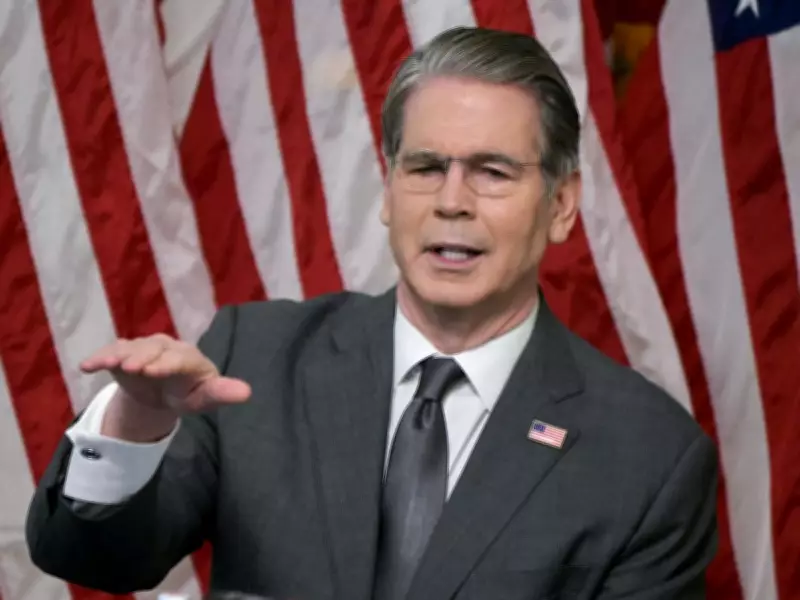
Treasury Secretary Scott Bessent has announced that former President Donald Trump's tariffs may be restored to their original levels by early July, reversing a temporary measure imposed after the Supreme Court struck down many of the levies. This development comes as the administration seeks to use different legal authorities to reestablish trade barriers, following a judicial ruling that deemed the previous use of emergency powers unconstitutional.
Legal Setbacks and New Strategies
In response to the Supreme Court's decision, Trump implemented a temporary 10 percent tariff on a wide range of imports, set to expire on July 24. Bessent explained at a Wall Street Journal event in Washington that the administration is now conducting Section 301 studies, which could lead to the reinstatement of tariffs at the pre-court levels. "We had a setback at the Supreme Court in terms of the tariff policy, but we will be implementing or conducting Section 301 studies, so the tariffs could be back in place at the previous level by beginning of July," he stated.
The Treasury secretary emphasized that because the Section 301 tariff authority has already been tested in courts, business leaders can begin planning and making decisions around capital expenditures with greater certainty. This move is part of a broader effort to address trade imbalances and enforce fair practices, including investigations into industrial overcapacity and forced-labour practices in other nations.

Economic Context and Outlook
Despite the ongoing challenges, Bessent expressed confidence in the strength of the United States economy. He noted that while it is difficult to predict when the consequences of the Iran war might impact the economy, current indicators remain positive. "I do think that the growth could easily exceed three, three-and-a-half this year, still," he said, highlighting potential for robust economic expansion.
Bessent also commented on inflation trends, pointing out that core inflation, which excludes volatile energy and food prices, continues to decline. "I think the Fed has been wrong on inflation, and the core inflation is coming down," he remarked. "I understand if they want to wait till the data is clearer, but that will mean that interest rates should come down a lot more." However, he acknowledged that recent reports showed a steep rise in the headline consumer price index, driven in part by gas prices, indicating some inflationary pressures persist.
Implications for Trade and Policy
The potential restoration of tariffs underscores the administration's commitment to aggressive trade policies, even in the face of legal hurdles. By leveraging Section 301 investigations, Trump aims to rebuild tariff walls and address perceived unfair practices by trading partners. This approach could have significant implications for global trade dynamics and domestic economic planning, as businesses adapt to the evolving regulatory landscape.
As the July deadline approaches, stakeholders will be closely monitoring developments in tariff policy and economic indicators. Bessent's remarks suggest a proactive stance in navigating post-court challenges while maintaining a focus on economic growth and stability.






