Middle East Conflict Fuels Rising Gas Prices in Toronto, Reducing Affordability for Residents
The ongoing conflict in the Middle East is having a direct and tangible impact on the cost of living in Toronto, with gas prices soaring and becoming increasingly unaffordable for many residents. As global tensions escalate, local consumers are feeling the pinch at the pump, raising concerns about economic stability and household budgets.
Escalating Costs at the Pump
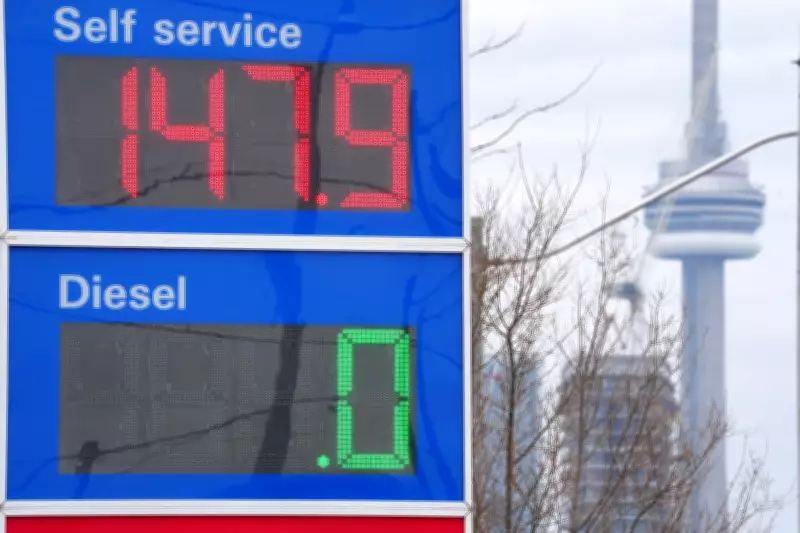
Recent observations at Toronto gas stations, including one captured with the CN Tower in the background on March 5, 2026, show a stark reality: fuel prices are climbing rapidly. This trend is largely attributed to the geopolitical unrest in the Middle East, which disrupts oil supplies and drives up global market rates. Experts note that such conflicts often lead to volatility in energy markets, and Toronto is no exception to these ripple effects.
The affordability of gas in the city is diminishing, with many residents reporting that filling up their tanks now takes a larger chunk out of their monthly expenses. This comes at a time when other economic pressures, such as inflation and housing costs, are already straining wallets. The situation highlights how international events can have immediate local consequences, affecting everyday life in urban centers like Toronto.

Broader Economic Implications
Beyond individual households, the rising gas prices could have wider economic repercussions. Increased transportation costs may lead to higher prices for goods and services, as businesses pass on expenses to consumers. This could further exacerbate inflationary trends, making it harder for people to make ends meet. Additionally, the uncertainty surrounding the Middle East conflict means that price fluctuations may continue, adding to financial instability.
Analysts warn that without a resolution to the geopolitical tensions, gas prices in Toronto and across Canada may remain elevated, putting sustained pressure on affordability. This scenario underscores the interconnectedness of global politics and local economies, where events thousands of miles away can directly impact community well-being.
Community Response and Adaptation
In response to the climbing costs, some Torontonians are exploring alternatives to reduce their reliance on gas. Options such as public transit, carpooling, and electric vehicles are gaining attention as potential ways to mitigate expenses. However, for many, especially those in areas with limited transit access, these alternatives may not be feasible, leaving them vulnerable to price hikes.
Local authorities and policymakers are being urged to consider measures to support residents, such as subsidies or incentives for energy-efficient transportation. As the situation evolves, community advocates emphasize the need for proactive strategies to address affordability challenges and ensure that economic shocks from global conflicts do not disproportionately affect vulnerable populations.
In summary, the Middle East conflict is driving up gas prices in Toronto, making fuel less affordable and adding to existing economic strains. With no quick end in sight to the geopolitical turmoil, residents and leaders alike must navigate these challenges to maintain financial resilience in the face of global uncertainty.