

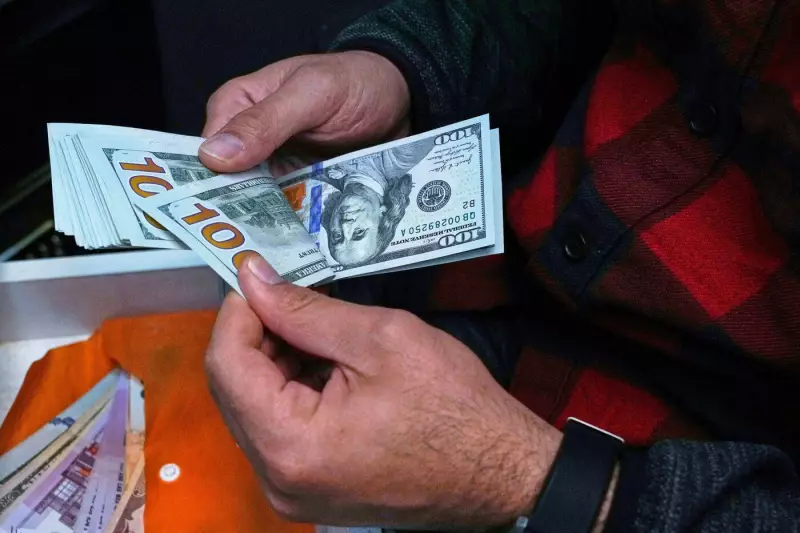
The Iranian rial has plunged to an unprecedented low against major foreign currencies, triggering immediate and vocal protests from the nation's traders and shopkeepers. The dramatic devaluation, reported on December 29, 2025, underscores the severe economic pressures facing the country.
Currency Collapse at Tehran's Financial Hub
The crisis was most visible at Ferdowsi Square in downtown Tehran, the city's primary hub for foreign currency exchange. Here, exchange bureau workers grappled with rapidly shifting numbers as the rial's value evaporated. The square, typically bustling with financial activity, became a focal point for the growing economic anxiety spreading through the merchant class.
Widespread Discontent Among Business Owners
In response to the currency's collapse, traders and shopkeepers across Iran took to the streets to voice their frustration. The protests highlight the direct impact of the devaluation on everyday business operations, import costs, and the price of goods. For many, the record-low rial makes it nearly impossible to sustain their livelihoods, as the cost of foreign goods and supplies skyrockets.

The economic instability comes amid a complex geopolitical landscape for Iran. While the domestic situation unfolds, international observers note the contrast with other global events, such as the U.S. offering Ukraine a security guarantee and preparations for a meeting between former U.S. President Donald Trump and Israeli Prime Minister Benjamin Netanyahu.
Broader Context of Economic Strain
This currency crisis is not an isolated incident but part of a prolonged period of economic difficulty for Iran. Factors including international sanctions, internal policy challenges, and global market pressures have consistently weighed on the rial's value. The protest by shopkeepers, a vital segment of the Iranian economy, signals a deepening of the domestic economic distress that could have significant social and political repercussions.
The situation in Iran stands in stark contrast to the economic discussions in Canada, where topics range from Hydro One's power restoration efforts to national surveys on budgetary priorities for 2026. Meanwhile, as Canada grapples with its own issues like multiple weather alerts and housing fires, the events in Tehran serve as a potent reminder of the fragile nature of economic stability in different parts of the world.






