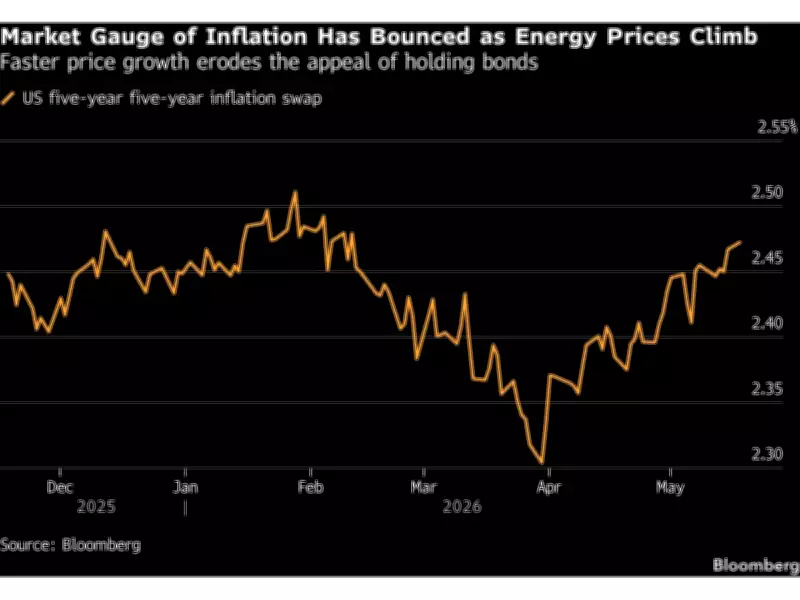
Global finance chiefs are coming to terms with the new economic reality that a consumer-price shock they had hoped to avoid is likely to persist. As the second day of Group of Seven discussions proceeds in Paris, the aftermath of a bond-market readjustment factoring in more inflation has raised the burden of proof needed to keep borrowing costs unchanged. The prospect of higher interest rates looms, bringing associated stress to growth and budget deficits.
Bond Yields and Economic Uncertainty
The talks with finance ministers and central bankers on Tuesday continue against a backdrop of 30-year Treasury yields hovering close to the highest since 2007. With the Iran war that caused the energy shock still unresolved, officials are surveying the uneven topography of global prosperity and touching on monetary policy before turning to discuss terror financing. Darkening the mood over cerebral discussions about imbalances ranging from U.S. budget deficits to weak Chinese demand is the more pressing reality that the Middle East crisis is bearing down on economies, impacting growth and feeding price pressures.
Central Bank Responses
Pressure for a response is rising on central bankers from around the G7 club, with investors increasingly betting on moves to raise borrowing costs as soon as June, most notably in the euro zone and Japan. One notable absentee from the meeting is newly appointed Federal Reserve chief Kevin Warsh, who has just taken charge with the expectation from U.S. President Donald Trump that he should try to cut borrowing costs. The lingering energy crunch is making that prospect ever harder to achieve.

Mathias Cormann, secretary general of the Organisation for Economic Co-operation and Development, stated: "The longer it goes, the higher the risk of secondary effects. If you see increases in wages as secondary effects, then central banks will need to take action — even if the economic growth outlook is somewhat weaker."
Investor Sentiment and Data
Nuveen Global Investment Strategist Laura Cooper told Bloomberg Television: "Increasingly as this shock persists, they are getting further behind the curve. The question is, when will the Fed potentially pivot to try to showcase that they're going to really curtail those inflationary pressures?" Data on Tuesday underscores some of the unfolding impacts across the G7 club. In Japan, the economy grew much faster than expected at the start of the year, supporting the case for further Bank of Japan rate hikes. Canadian inflation jumped to 2.8 percent in April, even though core gauges were steadier. Just before the ministers met, U.K. numbers highlighted how the Iran war shock is hitting growth there. Employers slashed jobs by the most since the start of the pandemic, suggesting the crisis is hurting demand for workers.