Economists Anticipate Gas Price 'Shock' in Upcoming March Inflation Data
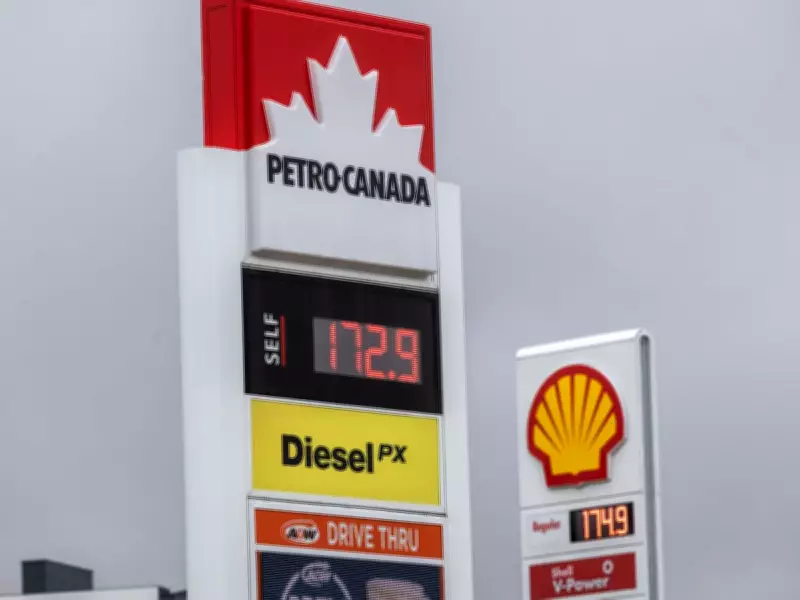
Economists across Canada are bracing for a significant impact on the consumer price index (CPI) when Statistics Canada releases its March inflation report on Monday. The primary driver of this anticipated shock is a dramatic 21 percent spike in gas prices recorded between February and March, marking the highest month-over-month increase since records began in 1950.
Record Gas Price Increase Driven by Global Tensions
The unprecedented surge in fuel costs is directly linked to geopolitical instability in the Middle East. The ongoing war in Iran and the resulting near-closure of the Strait of Hormuz have severely reduced oil flow from the region, pushing global energy prices to new heights. This 21 percent jump surpasses even the 17 percent rebound seen between April and May 2020 during pandemic-era lows.
Douglas Porter, chief economist and managing director at Bank of Montreal (BMO), emphasized the historical significance of this increase. "Even during Russia's invasion of Ukraine, we never had a month that was higher than a 12 percent increase," Porter stated. "So that is going to be a bit of a shock in next week's CPI."

Inflation Forecasts and Economic Implications
Canada's headline inflation rate rose 1.8 percent on a year-over-year basis in February. BMO forecasts it will climb to 2.6 percent in March and exceed three percent in April. Similarly, Royal Bank of Canada (RBC) projects inflation to reach 2.5 percent in March, also anticipating it will rise above three percent in April.
Porter acknowledged the federal government's temporary suspension of the fuel excise tax on gasoline starting April 20 as a "big step in the right direction." However, he cautioned that the savings of 10 cents per liter will only offset a portion of the recent price run-up, and any further increases could quickly erase this relief.
Impact on Grocery Prices and Broader Economy
Energy costs represent just one factor influencing grocery bills, but economists warn that the current spike threatens recent "modest progress" on grocery inflation. Porter noted, "At this point, we're expecting food prices on average to rise a little bit more than four percent this year. I think the risk is somewhat to the high side of that call."
Nathan Janzen, assistant chief economist at RBC, explained that sustained high oil prices would affect food items first, though this typically occurs over months rather than weeks. "Businesses are usually hesitant to pass on price increases to their customers until they need to," Janzen said.
He also pointed out that grocery prices have consistently outpaced broader inflation rates. Statistics Canada recently reported that grocery prices have climbed 30 percent over the past five years. While food price growth in the CPI might temporarily slow in March due to distortions from last year's GST/HST holiday, the underlying trend remains concerning.
The combination of record gas price increases and their ripple effects through the economy sets the stage for a challenging inflation report, with significant implications for consumers and policymakers alike.