Mark Carney's Gas Tax Suspension: A Potential Relief for Inflation and Monetary Policy
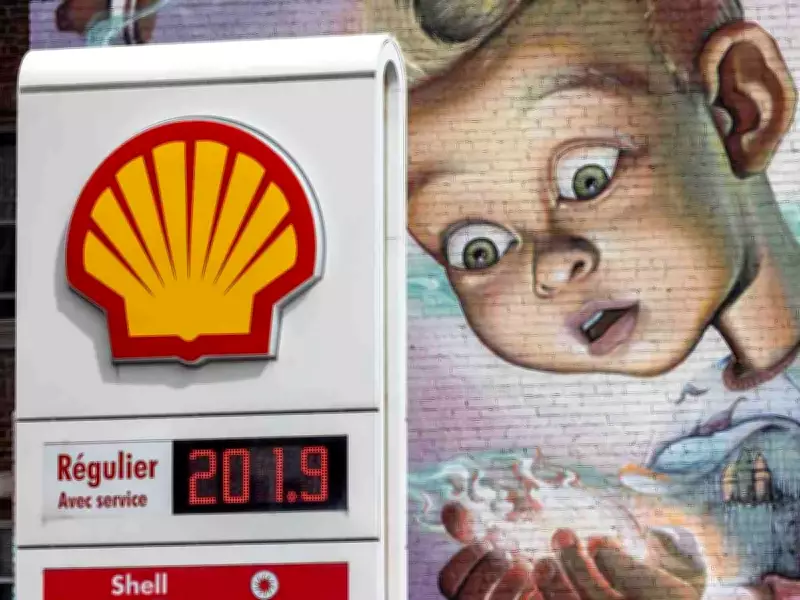
Prime Minister Mark Carney's announcement of a temporary suspension of federal excise taxes on gasoline, diesel, and aviation fuel represents a significant economic intervention with potential implications for inflation management and Bank of Canada policy. The measure, effective from April 20 to September 7, 2026, will reduce prices by 10 cents per litre for regular gasoline and four cents per litre for diesel, providing immediate relief to Canadian consumers facing elevated fuel costs.
Inflation Expectations and Central Bank Pressure
Economists suggest this tax suspension could help moderate inflation expectations, which have become increasingly volatile due to geopolitical tensions. Randall Bartlett, deputy chief economist at Desjardins Group, emphasized that lower gas prices typically translate to reduced inflation expectations, potentially easing pressure on the Bank of Canada. "If gas prices are lower than they would be otherwise, that means inflation expectations are likely to be slightly lower than they would be otherwise," Bartlett explained. "Certainly, all of this together does help to take some pressure off the Bank of Canada."
The timing of this intervention is particularly crucial as the Bank of Canada monitors inflation risks stemming from the Middle East conflict. Iran's closure of the Strait of Hormuz, a critical passageway for approximately 20 percent of global oil and gas supplies, has already driven Canadian gas prices up by an average of 35 percent since the conflict began on February 28, 2026.

Economic Context and Inflation Data
Despite February's overall inflation reading coming in below the Bank of Canada's two percent target according to the Consumer Price Index (CPI), economists anticipate potential spikes in the coming months. Elevated energy prices and rising commodity costs due to the Strait of Hormuz closure could push inflation as high as three percent, creating challenging conditions for monetary policymakers.
Most economists currently expect the central bank to maintain its benchmark interest rate at 2.25 percent, citing significant economic slack in the Canadian economy. However, financial markets are pricing in a different scenario through overnight swaps, anticipating two potential rate hikes this year in response to mounting inflation threats.
Complicating Factors and Economic Uncertainties
The economic landscape remains fluid due to the evolving nature of the United States-Iran conflict. Oil prices demonstrated this volatility recently, rising on Monday after U.S. port blockades in the Strait of Hormuz, then falling on Tuesday amid news of potential renewed diplomatic talks between the two nations.
Ali Jaffery, chief economist at KPMG Canada, noted that food and energy costs disproportionately influence consumer inflation expectations, though the Bank of Canada typically places greater emphasis on business sector inflation projections. This distinction creates additional complexity for policymakers attempting to gauge the true inflationary impact of energy price movements.
Further complicating the economic outlook is the scheduled July review of the Canada-U.S.-Mexico Agreement (CUSMA), which could introduce additional trade policy uncertainties during this period of heightened economic sensitivity.
Historical Context and Inflation Psychology
Bartlett highlighted that during the post-pandemic period when CPI inflation accelerated to eight percent year-over-year, five-year consumer inflation expectations remained relatively stable. However, shorter-term inflation expectations spiked significantly above pre-COVID-19 trends, according to data from the Bank of Canada and Haver Analytics Inc. This pattern suggests that while consumers maintain long-term confidence in price stability, they remain sensitive to immediate price shocks, particularly in essential categories like transportation and energy.
The ultimate impact of Carney's tax suspension on Bank of Canada policy will depend on several interconnected factors:

- The duration of Middle East hostilities and their effect on global energy markets
- The persistence of elevated energy prices and their transmission to broader inflation measures
- The degree to which lower fuel prices influence both consumer and business inflation expectations
- Broader economic conditions including labor market dynamics and consumer spending patterns
This temporary tax relief represents a targeted fiscal intervention during a period of unusual economic uncertainty, with implications that extend beyond immediate consumer savings to potentially influence monetary policy decisions and inflation psychology throughout the Canadian economy.