Canada's Economic Challenges: A Deep Dive into Housing, Taxes, and Market Trends
As of Thursday, April 2, 2026, Canada faces a complex economic landscape marked by interconnected crises that threaten both productivity and social stability. The housing shortage, potential GST increases, downgraded growth forecasts, diesel price shocks, and market volatility are creating a perfect storm for policymakers and citizens alike.
The Housing Crisis as a Productivity Drain
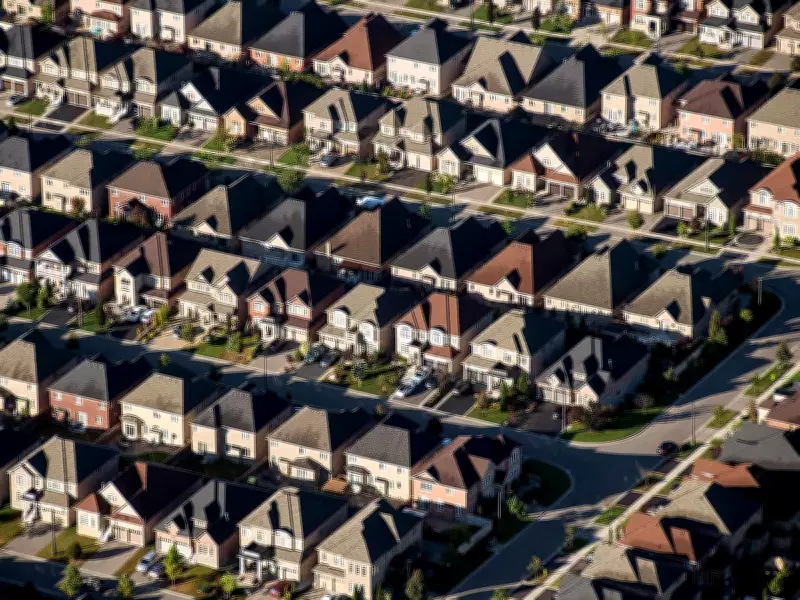
Canada's lackluster productivity growth is often viewed as an economic issue, while the housing crisis is typically framed as a social problem. However, these two challenges are deeply intertwined. Low housing elasticity in the nation's most productive cities, such as Toronto and Vancouver, is preventing these urban centers from scaling up effectively. This constraint limits labor mobility, increases commuting times, and stifles innovation, thereby exacerbating the productivity slowdown.
Potential GST Hikes and Spending Cuts for NATO Targets
A new report from the C.D. Howe Institute suggests that Canada may need to implement tough fiscal measures to meet NATO spending goals. While the country has already achieved the two percent of GDP target ahead of schedule, reaching five percent by 2035 could require hiking the Goods and Services Tax (GST) and cutting non-defense expenditures. These sacrifices would directly impact Canadian households, adding to the financial strain from other economic pressures.

Downgraded Economic Forecast Amid Global Uncertainties
Deloitte Canada has revised its growth expectations for 2026 downward, forecasting a 1.2 percent increase in gross domestic product, compared to the previous estimate of 1.5 percent. This downgrade is attributed to uncertainties surrounding the CUSMA trade agreement and the ongoing United States–Israel war with Iran, which is destabilizing global markets and supply chains.
Diesel Shock: The Hidden Economic Threat
While rising gasoline prices capture public attention, the increasing cost of diesel poses a more severe risk to the economy. Diesel is often called the "life of the economy" due to its critical role in transportation, agriculture, and industry. Countries with energy supplies exposed to Middle East disruptions are already implementing rationing measures, such as price caps and export restrictions. In Canada, this diesel shock could lead to higher consumer prices and reduced economic activity, further squeezing household budgets.
Navigating Market Volatility with Strategic Insight
Amidst these challenges, market volatility has become a norm, but panic is not inevitable. According to Ryan Modesto, chief executive of 5i Research, investors should look beyond sensational headlines and consider seizing opportunities when others are fearful. This approach involves maintaining a long-term perspective and identifying undervalued assets during turbulent times, which can help mitigate losses and capitalize on potential gains.
Broader Implications and Future Outlook
These economic issues collectively highlight the need for comprehensive policy responses. From addressing housing supply constraints to managing fiscal adjustments for defense spending, Canadian leaders must balance immediate relief with sustainable growth strategies. As global events like trade disputes and conflicts continue to influence domestic conditions, adaptability and resilience will be key for both the economy and its citizens.