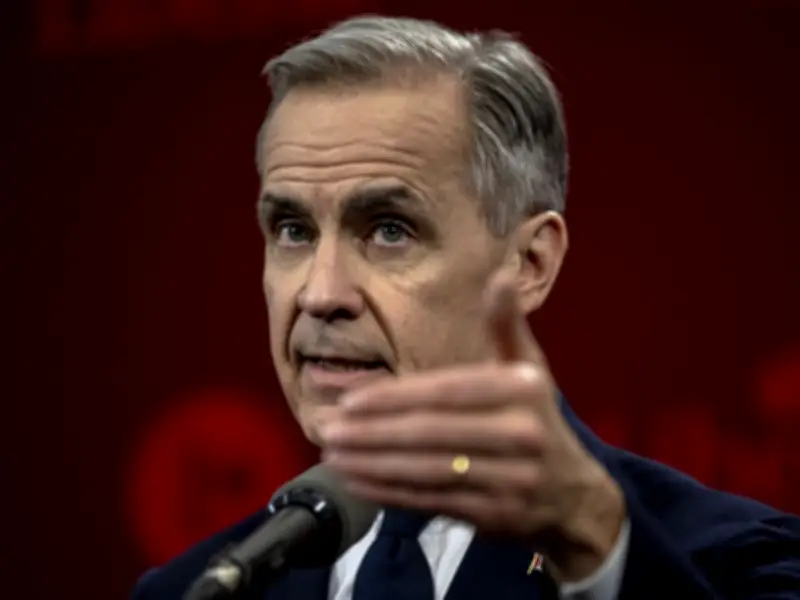
Canada's annualized inflation rate surged to 3.2% in May, according to Statistics Canada data released Monday, marking the highest level since December 2023 and a sharp increase from April's 2.8% rate. The figure underscores growing cost-of-living pressures that contradict Prime Minister Mark Carney's earlier assurances about affordability.
Carney's Affordability Promise Under Scrutiny
In March, Carney stated that affordability was "the best it's been in over a decade" in Canada. However, the latest inflation data reveals a starkly different reality for Canadian families. At his government's post-election swearing-in ceremony in May 2025, Carney said Canadians could judge him "by their experience at the grocery store." That experience has been devastating, with food inflation outpacing headline inflation for 16 consecutive months.
Food Prices Soar, Especially Fresh Produce
Year over year, food prices at grocery stores rose 4.3% in May, driven by a 5.5% month-over-month increase in fresh vegetable prices. Tomatoes saw a staggering 45.2% price hike compared to the previous month. This marks the largest monthly May increase for fresh vegetables since 2008, following a 3.9% decline in April.

Gasoline Prices Drive Overall Inflation
Gasoline prices were the main driver of the inflation spike, rising 33.2% year over year in May, up from 28.6% in April. The increase is largely attributed to the closure of the Strait of Hormuz, which disrupted global oil supplies. Even excluding gasoline, core inflation accelerated to 2.2% year over year in May, compared to 2% in April.
Government Response and Long-Term Challenges
While the Carney government cannot control global energy price spikes from the U.S.-Israel attack on Iran, poor tomato crops in Mexico, or U.S. President Donald Trump's trade policies, Carney has acknowledged Canada's slow growth and structural economic weaknesses. He has promised policies to reduce federal operating costs, diversify trade away from the U.S. market, and build infrastructure "at speeds not seen in generations." However, after 15 months in office, critics argue his government has delivered more promises than tangible results.