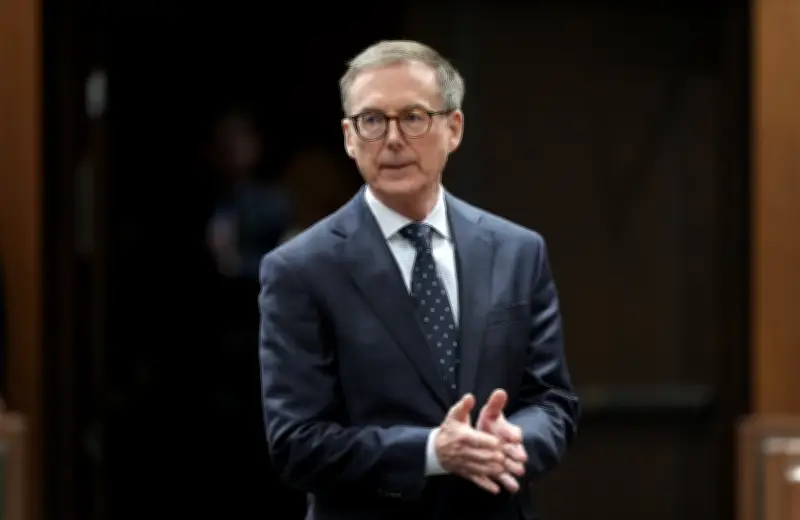
Bank of Canada Governor Tiff Macklem stated on June 23, 2026, that recent price increases in May do not indicate a return of generalized inflation, attributing the hikes to temporary factors. Speaking at a press conference, Macklem emphasized that the central bank's analysis shows no broad-based price pressures, despite consumer concerns over rising costs.
May Price Hikes Analyzed
Statistics Canada reported a 0.6% month-over-month increase in the Consumer Price Index for May, driven largely by volatile components such as gasoline and fresh vegetables. However, core inflation measures, which exclude these items, remained stable at 2.1% year-over-year, within the Bank of Canada's target range of 1% to 3%. Macklem noted that supply chain disruptions and seasonal factors contributed to the spike, rather than sustained demand pressures.
“We are not seeing evidence of generalized inflation,” Macklem said. “The May data reflects temporary shocks that are expected to fade.” He pointed to easing global energy prices and improved supply chains as reasons for optimism.

Market and Policy Implications
The Bank of Canada has maintained its key interest rate at 4.5% since April, following a series of hikes that began in 2022. Macklem reiterated that the bank remains data-dependent and prepared to adjust policy if necessary, but sees no immediate need for action. Financial markets reacted mildly, with the Canadian dollar slipping 0.2% against the U.S. dollar after the remarks.
Economists were divided. Some, like Avery Shenfeld of CIBC Capital Markets, agreed that the May data was a blip. “The underlying trend is still disinflationary,” Shenfeld said. Others warned that persistent price pressures in services could reignite inflation. Macklem acknowledged risks but stressed that the bank’s models show inflation returning to 2% by mid-2027.
Consumer Impact and Outlook
For Canadians, the mixed signals mean continued uncertainty. Grocery prices rose 2.8% year-over-year in May, with tomatoes spiking 45%, according to Statistics Canada. However, Macklem expects these to moderate as global food costs decline. The bank’s next policy decision is scheduled for July 15, 2026, with markets pricing in a 30% chance of a rate cut.
Macklem concluded by urging patience: “Inflation has come a long way from its 8.1% peak in 2022. We need to see sustained evidence before changing course.”