

A new study from the fiscally conservative Fraser Institute delivers a stark warning: Canada's embrace of big government is actively curtailing economic growth. The report, released Thursday, quantifies a troubling trend of expanding public expenditure that now far surpasses levels considered optimal for a thriving economy.
Government Spending Reaches Alarming Levels
The institute's analysis, titled "The Size of Government in Canada, 2024," estimates that total public spending by federal, provincial, and municipal governments surged to 43.6% of the nation's Gross Domestic Product in 2024. This marks a significant increase from 37.4% in 2007 and places Canada well above the identified optimal range for economic growth, which researchers peg at 26% to 30% of GDP.
"Put simply, the size of government in every Canadian province is above the optimal size to maximize economic growth," stated Jake Fuss, co-author of the study. "In some provinces, it is twice as large as the optimal size."

Provincial Breakdown Reveals Widespread Issue
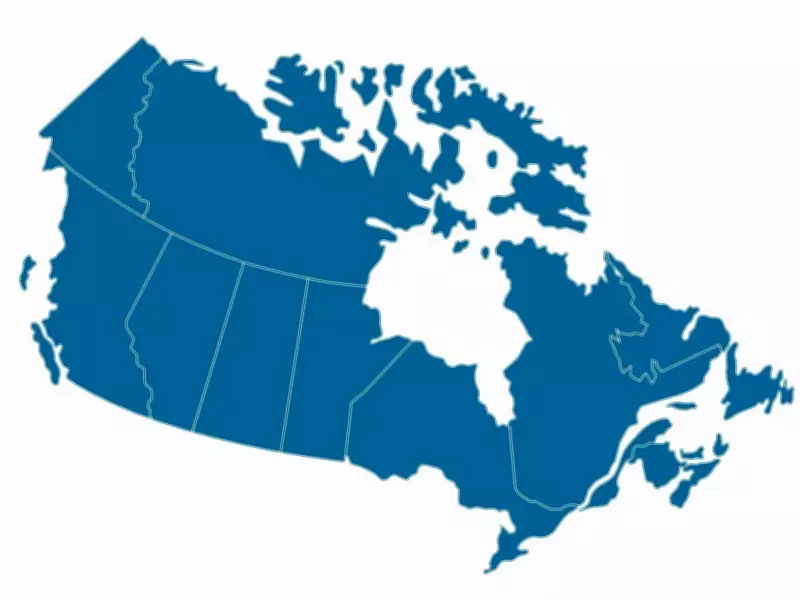
The provincial data paints a concerning picture of bloated public sectors across the country. In 2024, Nova Scotia led with government spending at a staggering 61.2% of GDP, followed closely by New Brunswick at 60.6% and Prince Edward Island at 58.7%. Manitoba recorded 52.7%, Quebec 50.1%, and Newfoundland and Labrador 49.7%. Ontario's figure stood at 43.4%, British Columbia at 40%, Saskatchewan at 39.7%, with Alberta being the sole province near the optimal range at 30.4%.
From 2007 to 2024, the relative size of government increased in nine out of ten provinces, with P.E.I. being the exception. More recently, from 2019 to 2024, every single province experienced growth in government spending as a percentage of their economies.
Parallel Growth in Public Sector Employment
This expansion in spending correlates with a steady rise in public sector employment. By 2024, government workers comprised 21.5% of all Canadian employees, reaching the highest level since 2007 when the figure was 19.2%. Every province saw an increase in public sector employment as a share of total employment over this period.
Economic Consequences of Oversized Government
The report suggests this rapid growth in government size and cost has had tangible negative effects on Canada's economic performance. Prime Minister Mark Carney, during his campaign for Liberal leadership, previously cited high federal operational costs as a factor weakening the economy prior to former U.S. President Donald Trump's global tariff war.
Over the past decade, Canada has experienced the worst record of economic growth, as measured by real GDP per capita, of any federal government since the administration of R.B. Bennett during the Great Depression. This metric is widely accepted as a key indicator of standard of living, highlighting the profound impact of excessive government spending on national prosperity.
The Fraser Institute's findings challenge the prevailing notion that big government inherently leads to economic prosperity, instead presenting evidence that Canada may have crossed a threshold where public sector expansion comes at the direct expense of economic vitality and citizen welfare.






