

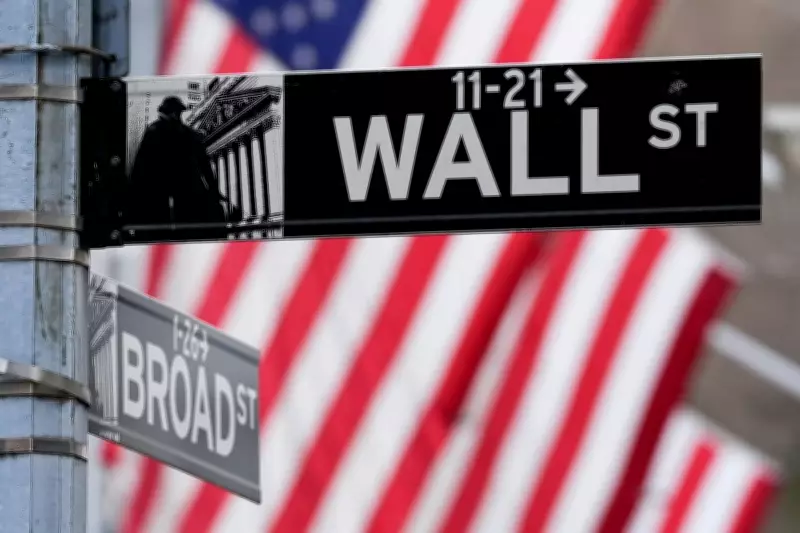
Wall Street's leading investment banks and financial analysts are projecting a significant resurgence in merger and acquisition (M&A) activity for the year 2026, maintaining a bullish outlook for a major deal-making boom. However, this optimism is now being tempered by escalating geopolitical tensions and unrest in the Middle East, which are injecting a note of caution into global market forecasts.
Sustained Confidence in a Deal Surge
Financial institutions across New York's financial district continue to bet heavily on a robust pipeline of corporate mergers, acquisitions, and large-scale transactions throughout 2026. This confidence is rooted in several key economic indicators, including stabilized interest rates, strong corporate balance sheets, and pent-up demand for strategic consolidation across multiple industries such as technology, energy, and healthcare.
Analysts point to a backlog of deals that were postponed during previous periods of economic volatility, suggesting that 2026 could see a release of this pent-up activity. "The fundamentals for a significant M&A wave are firmly in place," noted one senior investment banker. "Companies have cash, financing conditions are improving, and strategic imperatives for growth through acquisition remain compelling."

Geopolitical Headwinds Emerge
Despite this positive baseline forecast, the escalating conflict and political instability in the Middle East have emerged as a substantial risk factor. The region's turmoil threatens to disrupt global energy supplies, increase market volatility, and create uncertainty that could cause corporate boards and private equity firms to delay or reconsider major transaction plans.
This geopolitical friction adds a complex layer to the risk assessment for international deals, particularly those involving cross-border financing or assets in volatile regions. The potential for supply chain disruptions, fluctuating commodity prices, and broader economic spillover effects is leading many deal advisors to incorporate more stringent contingency planning into their 2026 projections.
Market Sentiment and Strategic Adjustments
The prevailing sentiment on Wall Street now reflects a dual reality: strong underlying drivers for M&A growth coexisting with newfound geopolitical caution. Investment banks are reportedly advising clients to proceed with strategic deals but to build in additional safeguards, longer due diligence timelines, and flexible deal structures that can withstand unexpected external shocks.
"We are telling our clients that 2026 still looks very promising for deal-making, but you must now account for the Middle East factor," explained a managing director at a major financial firm. "It's no longer just about market multiples and synergies; it's also about political risk insurance and exit strategies in a less stable world."
This cautious optimism suggests that while the volume and value of deals may still meet or exceed initial 2026 expectations, the process of executing these transactions could become more protracted and complex. The final tally for the year's M&A boom will likely depend on whether the Middle East situation stabilizes or escalates further, directly impacting investor confidence and corporate boldness.






